The Psychology of Space: How Minimalist Environments Can Improve Productivity and Well-Being

The Role of Environments in Human Behavior
Understanding how environments shape our thoughts, emotions, and behaviors opens a window into the psychology of space. Research indicates that our surroundings not only serve as mere backdrops to our daily lives, but they actively influence our mental state and productivity levels. In this increasingly cluttered world, many individuals are turning to minimalist environments as a refreshing change that promotes clarity and calmness.
The Impact of Minimalism on Focus and Productivity
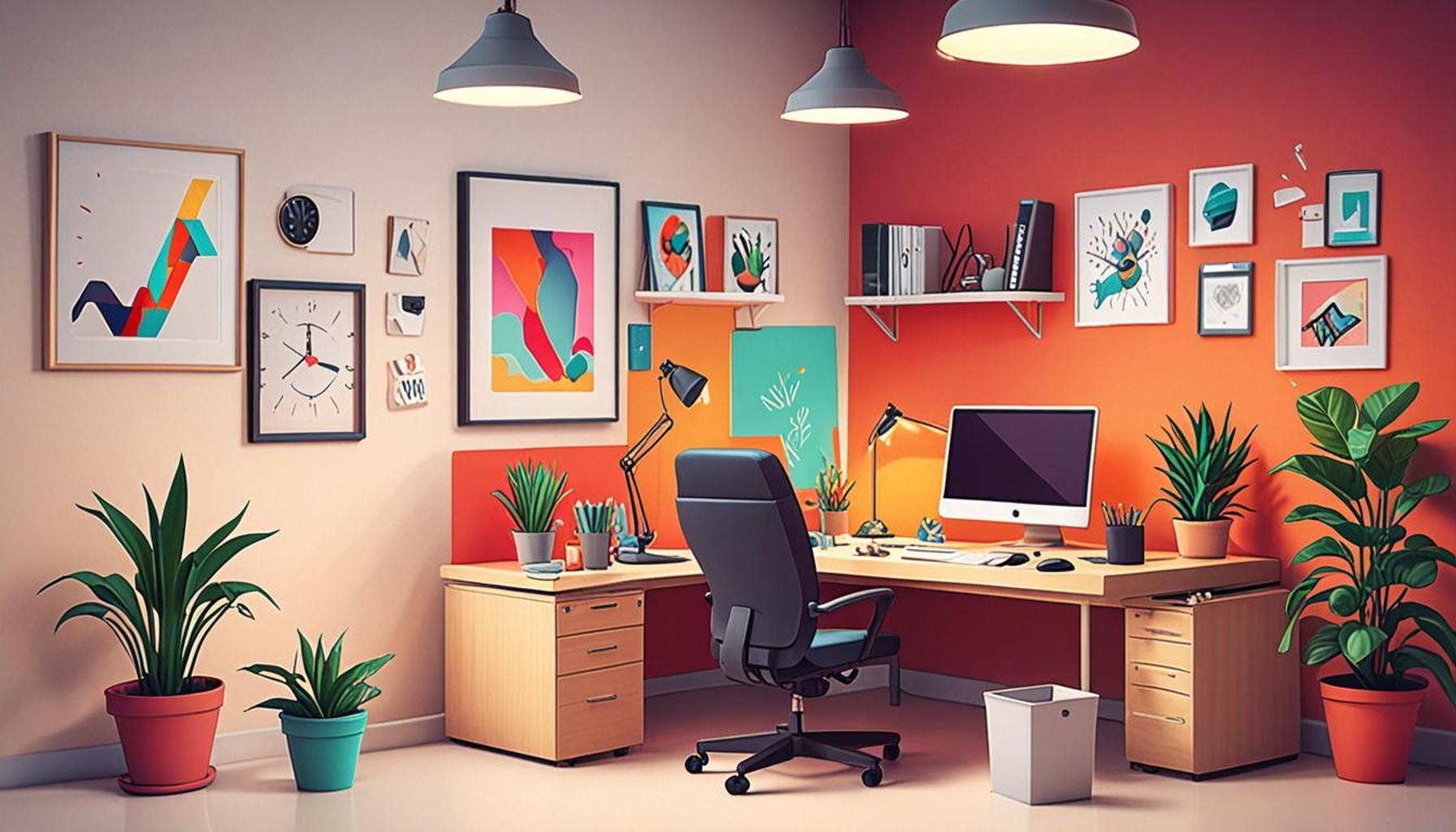
One of the standout features of minimalist spaces is the reduction of distractions. Imagine a workspace devoid of unnecessary clutter, where only essential items are present. This clean environment aids in sharpening focus, enabling individuals to direct their energy toward the task at hand. A compelling study highlighted that workers in streamlined settings reported enhanced concentration and a 20% increase in their productivity levels. In fast-paced Nigerian cities like Lagos and Abuja, where distractions are abundant, adopting minimalist principles can be particularly transformative for workers seeking to maximize their efficiency amidst the chaos.
Stress Reduction Through Simplified Design
The design of our environments plays a colossal role in our mental well-being. Simplified spaces—characterized by pared-down aesthetics and neutral color palettes—can significantly ease symptoms of stress and anxiety. In a country where urban hustle can lead to overwhelming feelings, adopting a serene environment at home or in the office can foster a greater sense of peace. For instance, using light shades of beige or pale blue on walls can create a calming atmosphere conducive to relaxation.
Fostering Creativity in Open Spaces
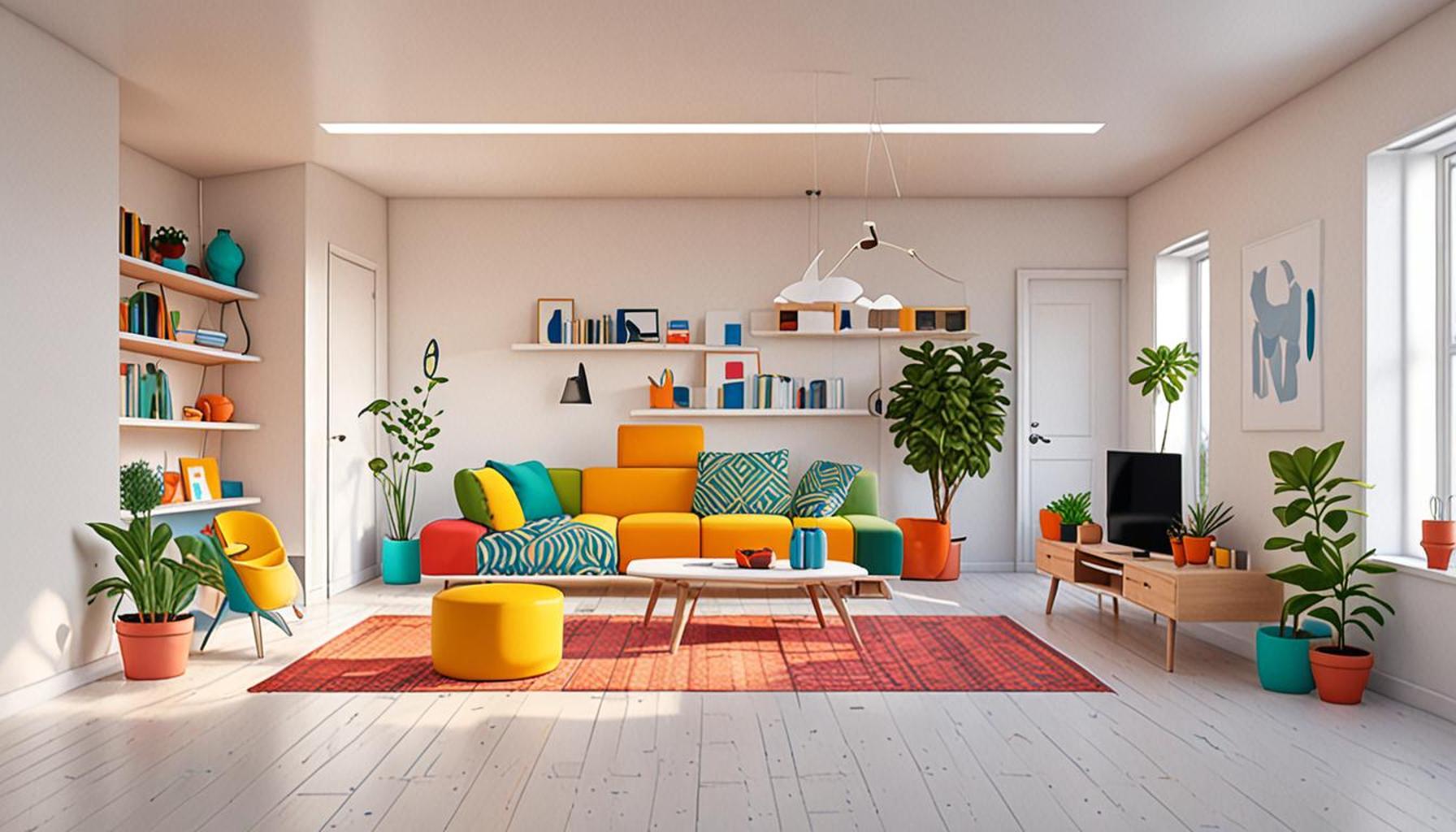
Minimalist environments do not just aid in focus; they can also unleash creativity. Open, uncluttered areas allow the mind to wander freely and generate new ideas without the burden of overwhelming stimuli. Think of creative professionals like artists or designers residing in Nigeria. A workspace filled with light and devoid of distractions can inspire innovative thoughts and solutions. Natural elements, such as plants strategically placed in minimalist designs, have been shown to enhance creativity and overall cognitive function.
Practical Steps for Implementing Minimalism
Embracing a minimalist philosophy in your workspace can be straightforward. Consider these practical steps:
- Keep only necessary items on your desk, such as your laptop, a notebook, and a pen.
- Maximize natural light wherever possible to boost your mood and energy levels. For example, work near windows or in open areas that allow sunlight to filter in.
- Choose a calming color scheme with subtle tones that promote tranquility, avoiding overly vibrant or harsh colors that can be overstimulating.
Conclusion: The Journey to Minimalism
The exploration of minimalist environments reveals their profound impact on mental health and productivity. By streamlining our surroundings, we can not only enhance daily tasks but also cultivate a sense of calm and well-being. Whether you are a student navigating Lagos’ busy university life or a professional in Abuja juggling multiple responsibilities, adopting minimalist principles can be a powerful strategy to refine your focus and elevate your mental state. As we continue to delve into the psychology behind our environments, let’s take actionable steps towards creating spaces that truly serve our needs.
CHECK OUT: Click here to explore more
Unpacking the Benefits of Minimalist Spaces
As urban dwellers in Nigeria navigate bustling streets filled with sound and sight, the need for a calming and productive environment becomes paramount. Enter the world of minimalist design. This architectural and interior design philosophy emphasizes simplicity, functionality, and openness, which can have transformative effects on individuals’ mental health and work output. Studies have shown that individuals who work in minimalist environments not only report feeling less stressed but also possess an increased capacity for sustained attention.
The Science of Clutter and Mental Health
Clutter is more than just a visual issue; it has tangible repercussions on mental health. According to a study published in the journal *Environment and Behavior*, people who described their homes as cluttered exhibited higher levels of the stress hormone cortisol. The chaotic stimuli from an overloaded environment can provoke anxiety, leading to diminished performance at work or school. For many Nigerians, where daily distractions abound, a minimalist approach can serve as a soothing balm on the overwhelming cacophony of life’s demands.
Creating a Sense of Order and Control
Minimalism also fosters a sense of order, which can profoundly impact an individual’s perception of control over their lives. In Nigerian office environments, where responsibilities can sometimes feel burdensome, a tidy workspace can encourage feelings of autonomy and competence. Research reveals that when individuals have a grasp of their physical environment, they are more productive and motivated. Here are some ways that minimalist environments can bolster this sense of order:
- Decluttering spaces promotes a systematic way of working, allowing for better organization of tasks.
- A well-arranged environment leads to transparency, reducing the chances of oversights or missed duties.
- Facilitating a distraction-free zone encourages focus, which is crucial for meeting project deadlines that are often tight in a fast-paced business landscape.
The Aesthetic Appeal of Minimalism
Another crucial aspect of minimalist spaces is their aesthetic appeal. A well-curated environment that prioritizes open space and fewer items can evoke a sense of tranquility, which contributes to overall well-being. In the context of Nigerian cities, where influences from art, tradition, and modernity collide, integrating minimalist design can marry local themes with the principles of simplicity and functionality. For example, using indigenous materials in a simplistic design pairs the cultural richness of Nigeria with the peaceful ambiance that minimalism offers, creating spaces that resonate well with inhabitants.
Conclusion: Stepping Towards a Mindful Space
Overall, embracing simplistic design isn’t merely about aesthetics—it’s about reshaping our psychological landscapes. By adopting a minimalist mindset in our workspaces or homes, individuals can pave the way for enhanced well-being and productivity. As we continue to explore the psychological ties between our environments and mental states, it’s crucial to reflect on our own spaces and consider the possibilities that minimalism can unlock.
| Advantage | Description |
|---|---|
| Enhanced Focus | Minimalist environments reduce distractions, allowing individuals to concentrate on the task at hand. |
| Reduced Stress | Clutter-free spaces create a sense of calm, leading to improved mental well-being and reduced anxiety levels. |
| Improved Creativity | Simplified surroundings can foster creativity, enabling fresh ideas to surface without the interference of chaotic visuals. |
| Increased Productivity | Spaces designed with minimalism in mind promote efficiency, making it easier to complete tasks quickly and effectively. |
Expanding on the benefits, embracing a minimalist approach can significantly enhance an individual’s productivity levels. The concept of “less is more” rings true, especially in work environments where a streamlined space can lead to quicker decision-making processes and a clearer mindset. According to studies, employees in minimalist settings report feeling less overwhelmed and more capable of tackling workload efficiently.Maintaining a balance between personal space and functionality is crucial. Successful minimalist spaces often incorporate elements that inspire, such as art or plants, which can positively affect mental health. This delicate interplay of aesthetics and functionality becomes paramount in fostering environments that not only enhance well-being but also drive productive behaviors.Furthermore, the psychological impact of these environments is profound. Researchers suggest that individuals operating in minimalist spaces can better manage their time and resources, as their surroundings reduce mental clutter. As the adage goes, a tidy space leads to a tidy mind, greatly influencing overall well-being and performance.
SEE ALSO: Click here to read another article
Fostering Creativity Through Minimalist Design
While productivity can be stymied by clutter, a minimalist environment can also serve as a catalyst for creativity. In creative industries, such as advertising or design, the clutter of tools and resources can become overwhelming. Studies from the *Journal of Creative Behavior* suggest that a simplified aesthetic can help users efficiently process information, enabling easier access to creative thought processes. In the context of Nigeria’s vibrant artistic culture, environments promoting minimalism could support artists and innovative thinkers by reducing the cognitive load that frequently accompanies chaotic surroundings.
Enhanced Focus through Strategic Design
Natural light and open spaces are vital components of minimalism that contribute to enhanced focus. Research indicates that exposure to natural light can lead to improved mood and cognitive performance. For many Nigerians who work in office environments that often utilize artificial lighting, incorporating large windows or open layouts can significantly improve concentration levels. Moreover, it’s been found that a connection to the outdoors can rejuvenate the mind, helping to increase alertness when tackling monotonous or complex tasks. Here’s how design choices can optimize focus:
- Utilization of light-colored walls and flooring can make spaces feel larger and more vibrant, enhancing psychological well-being.
- Strategic placement of plants can introduce elements of nature, which is known to boost creativity and cognitive function.
- The arrangement of furniture can facilitate both collaboration and solitude—encouraging teamwork while also allowing individuals to retreat when necessary.
The Role of Personalization in Minimalism
An often-overlooked element of minimalist environments is the impact of personalization. While minimalism encourages the reduction of items, it’s equally important to incorporate personal touches that evoke positive memories or emotions. Psychological studies indicate that personal artifacts can enhance concentration and foster an emotional connection to the space. For Nigerians, who have rich cultural histories, integrating pieces that reflect personal or cultural significance can strike a balance between minimalist design and meaningful engagement. Personalization can take various forms:
- Incorporating local art or handcrafted items that speak to Nigeria’s heritage can inspire pride and motivation.
- Using minimal yet functional decor, such as traditional textiles or pottery, can create a sense of belonging without the distraction of excessive items.
- Strategically displaying photographs or mementos can evoke positive emotions, enhancing the overall atmosphere of well-being.
Implementing Minimalism in Nigerian Workspaces
To put these principles into practice, Nigerian businesses and individuals looking to enhance productivity and mental well-being can consider several strategies. For instance, co-working spaces are becoming increasingly popular in cities like Lagos and Abuja, offering professionals a chance to work in minimalist environments designed to foster collaboration and focus. Businesses can also train their employees on the benefits of maintaining organized and clutter-free workstations, creating a culture that values mental well-being alongside productivity.
Ultimately, the move towards minimalism is not merely about aesthetics; it’s a profound way to address productivity challenges and foster a healthier work culture. By establishing environments that prioritize simplicity, individuals can cultivate a space conducive to flourishing creativity and productivity.
YOU MAY ALSO LIKE: Read read another article
Conclusion
In summary, the principles of minimalist environments present compelling evidence of their profound impact on both productivity and well-being. By embracing simplicity and eliminating clutter, individuals and organizations can cultivate spaces that not only enhance focus but also spark creativity and foster emotional connections. As demonstrated throughout this article, elements such as natural light, open spaces, and personalized touches are integral in creating environments that inspire and empower.
For Nigerians, where cultural richness intertwines with the fast-paced demands of modern life, the shift towards minimalism can be transformative. It offers a pathway to revitalize workplaces, encouraging collaboration, creativity, and a sense of belonging. By implementing strategic design choices and integrating cultural artifacts, companies can create harmonious spaces that resonate personally with their employees, thus enhancing overall productivity.
As we navigate through increasingly complex professional landscapes, the value of incorporating minimalist principles cannot be overlooked. The evidence suggests that less truly can be more when it comes to our work environments. In a world that often champions busyness, adopting a minimalist approach allows for clarity, better mental health, and ultimately, a more fulfilling work life. To dive deeper into this intersection of space psychology and productivity, one can explore local case studies or consult design experts specialized in creating impactful workspaces. The future, it seems, lies in the art of simplicity.