The Influence of Natural Light on Spatial Efficiency: Optimizing Environments with Minimalist Design

The Impact of Natural Light on Minimalist Design
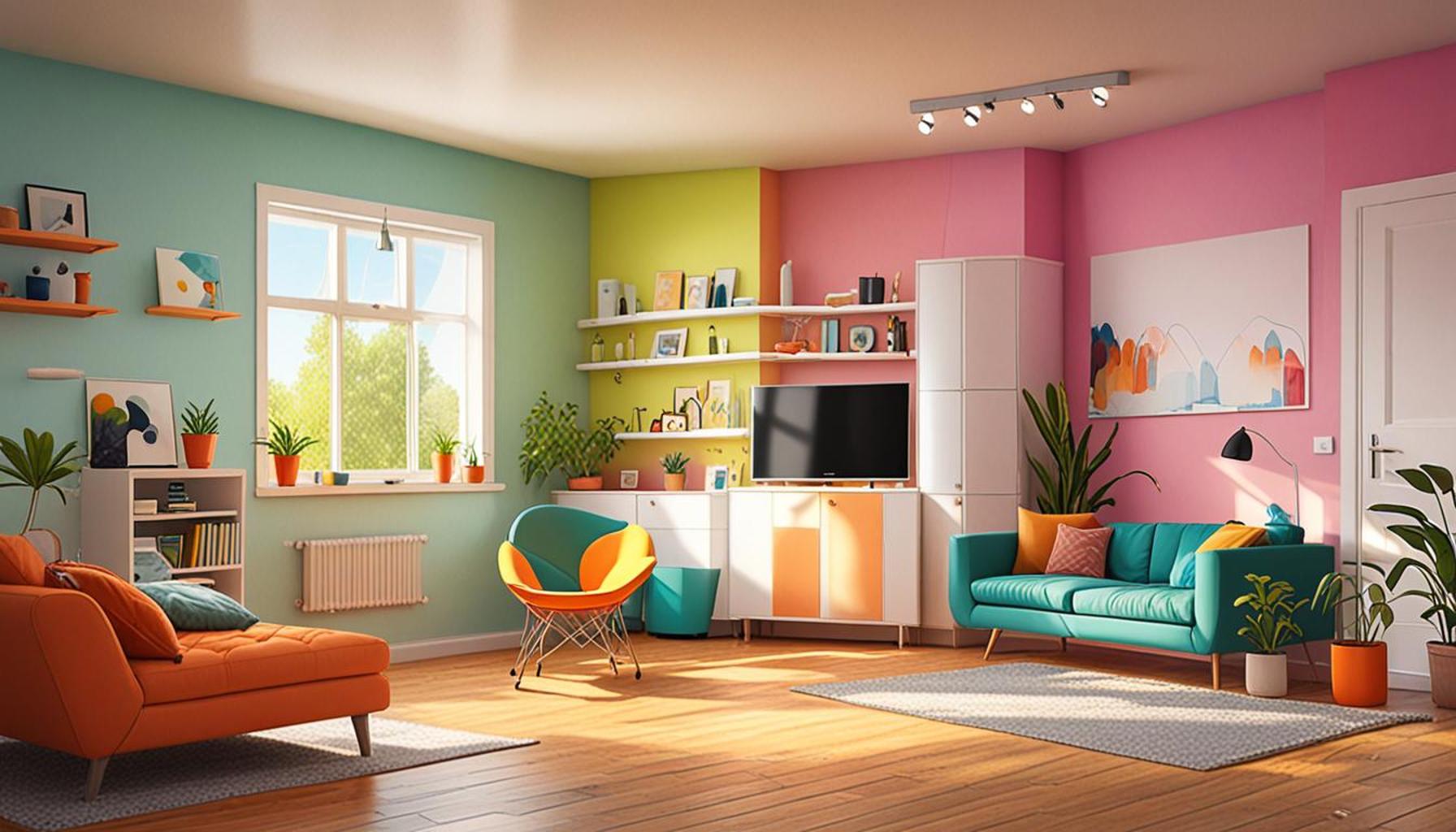
Natural light plays a vital role in enhancing spatial efficiency within any environment. By harnessing the power of sunlight, minimalist design elevates the functionality of spaces, making them feel larger and more inviting. This phenomenon is particularly relevant in densely populated areas in Nigeria, where space is often at a premium. As neighborhoods expand and urbanization accelerates, understanding the significance of natural light in contemporary African architecture becomes ever more crucial.
The integration of natural light and minimalist design yields several benefits that resonate deeply within the context of Nigerian living spaces. Here are some key aspects:
- Increased Energy Efficiency: Utilizing natural light significantly reduces the need for artificial lighting, leading to lower energy costs. This is particularly relevant in Nigeria, where electricity supply can be unreliable. By maximizing natural light, homeowners and businesses can save money on energy bills while promoting sustainable living practices.
- Enhanced Mood and Productivity: Numerous studies have shown that access to natural light can improve mental well-being and productivity. In bustling cities like Lagos, where the rhythm of life can be overwhelming, spaces flooded with sunlight can provide a calming refuge that fosters better concentration and creativity.
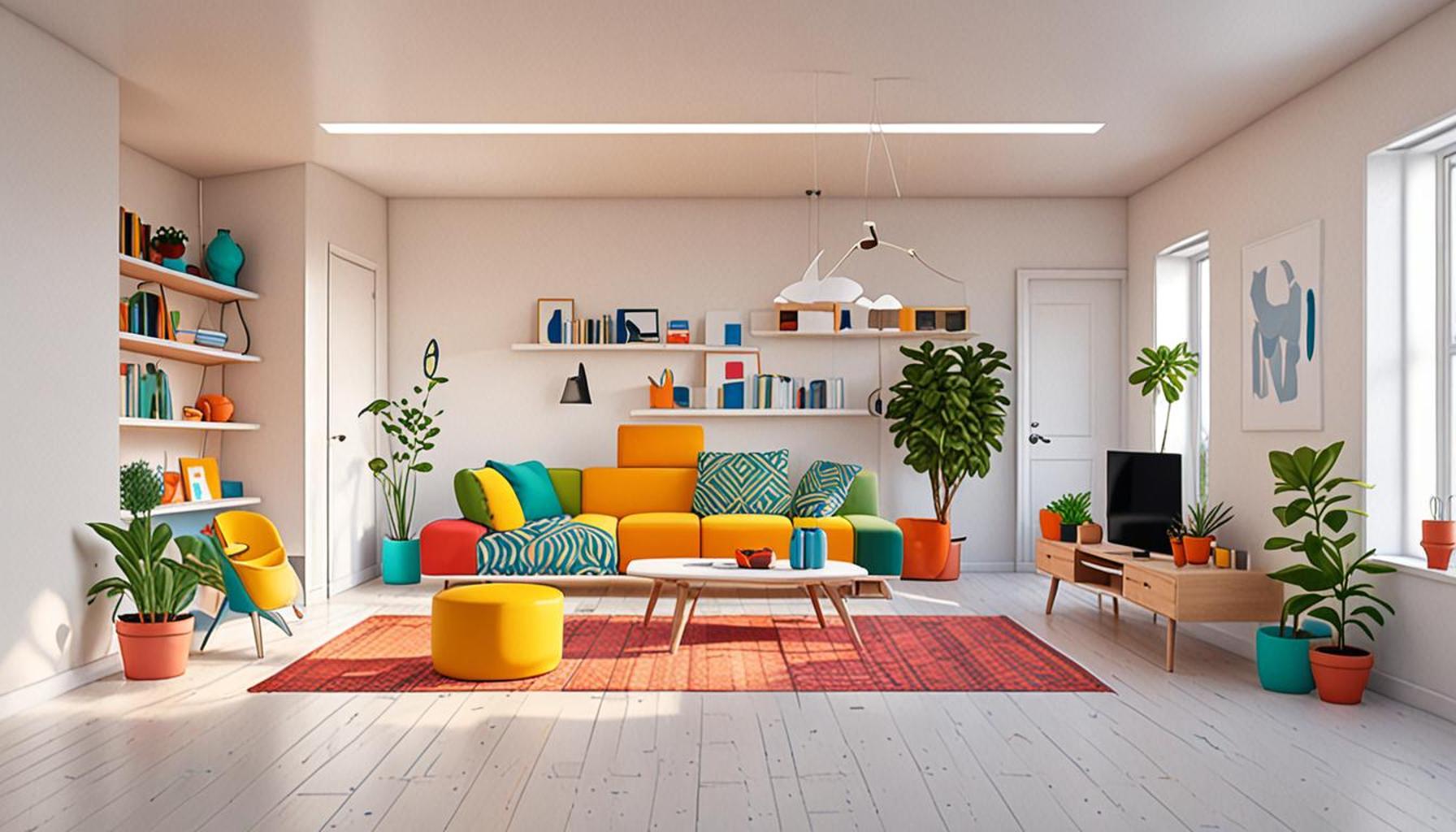
- Improved Spatial Perception: Properly lit spaces can create an illusion of depth and openness. Designers often utilize large windows, glass doors, and open floor plans to blur the lines between indoor and outdoor environments, making rooms feel less confined. This is especially advantageous in smaller apartments common in urban settings.
In Nigeria, cities like Lagos and Abuja are facing the challenge of limited living spaces. However, architects and designers are finding innovative ways to blend natural light with minimalist design principles. For instance, the use of light-colored walls and strategically placed mirrors can amplify sunlight, making even the tiniest of flats feel spacious and airy. Furthermore, outdoor terraces and balconies can extend living spaces while inviting more light into the heart of the home.
As we delve deeper into this topic, we will uncover practical strategies to maximize the influence of natural light in creating efficient, minimalist environments. Techniques such as skylights, open-concept layouts, and the use of sheer window treatments can be explored as methods for encouraging light to pour in, thus transforming ordinary spaces into extraordinary sanctuaries. Understanding these concepts can inspire individuals and designers alike to rethink their approach to space, crafting homes and workplaces that are not only aesthetically pleasing but functionally efficient.
With a commitment to sustainability and a focus on well-being, embracing natural light in minimalist design is not just an architectural trend but a lifestyle transformation that speaks to the essence of modern living in Nigeria.
RECOMMENDED: Check out this similar article
Maximizing Natural Light: Techniques and Benefits
In the quest to optimize environments with a focus on minimalist design, the strategic use of natural light emerges as a fundamental aspect. By reimagining spaces, designers in Nigeria are not solely working to beautify—a significant goal is to enhance spatial efficiency and practicality for everyday living. In doing so, they are crafting solutions that are increasingly relevant in urban environments characterized by limited square footage.
To truly benefit from natural light, designers employ various techniques to ensure that this valuable resource is maximized within minimalist spaces. Here are some effective strategies that have proven successful in Nigerian architecture:
- Incorporating Large Windows: One of the most effective methods to enhance natural light is through the installation of large windows. This approach allows ample sunlight to flood indoor spaces, significantly boosting the ambiance of a room while minimizing energy consumption during the day. In Nigerian homes, floor-to-ceiling windows are gaining popularity, as they not only increase visibility but also connect the indoor environment with the vibrant outdoor surroundings.
- Utilizing Open-Concept Layouts: Minimalist design thrives on open floor plans that foster an airy feel. By eliminating unnecessary walls and barriers, light can flow unobstructed across various rooms. This layout is especially useful in urban settings, where achieving a sense of spaciousness is essential for comfort.
- Installing Skylights: Skylights are a remarkable addition for enhancing natural light, particularly in smaller structures where standard windows may not suffice. These overhead fixtures allow sunlight to pour in from above, creating an uplifting environment that can transform a compact kitchen or bathroom into a more inviting space.
- Employing Light Colors: The choice of color scheme significantly affects how light behaves within a room. Light-colored walls and furnishings reflect natural light, making spaces appear larger and more open. In areas like Lagos, where colors and vibrancy are part of the culture, utilizing a warm and light palette can integrate natural beauty with architectural design.
Beyond aesthetics, the psychological effects of abundant natural light cannot be overlooked. Studies indicate that exposure to natural light can substantially lift one’s mood and reduce stress. In a country where urban sprawls can lead to feelings of confinement and restlessness, incorporating natural light into residential and commercial designs offers a sanctuary from the chaos outside. This shift not only nurtures a sense of well-being but also enhances productivity, making workplaces more conducive for innovation and creativity.
As urbanization continues to shape Nigeria’s landscape, understanding and harnessing the benefits of natural light in minimalist design can lead to revolutionary changes in how spaces are perceived and utilized. By prioritizing these strategies, architects and homeowners alike can create environments that not only stand as testaments to elegance but also foster functionality and happiness in everyday life.
The Role of Natural Light in Optimizing Minimalist Spaces
Natural light plays a pivotal role in enhancing the functionality and aesthetic of minimalist designs. By utilizing large windows and open layouts, spaces become more inviting and airy, allowing inhabitants to engage with their environments more effectively. This interaction leads to a reduction in reliance on artificial lighting, thereby lowering energy costs and creating a more sustainable atmosphere. In minimalist environments, the strategic placement of windows and reflective surfaces maximizes the penetration of sunlight, which can significantly improve spatial efficiency. Studies have shown that well-lit spaces can enhance productivity and cognitive function, making natural light a crucial component in workspace design. The emergence of biophilic design, which incorporates natural elements into built environments, further accentuates the positive effects of sunlight, fostering a sense of connection to the outdoors.Moreover, natural light can transform the perception of space. Illuminated walls and surfaces can make small rooms feel more expansive, while shadow play adds depth and interest to minimalist furnishings. For instance, a room flooded with sunlight can create a dynamic canvas that shifts throughout the day, enhancing the living or working experience. The psychological benefits of natural light are also noteworthy; exposure to sunlight is known to boost mood and reduce feelings of stress. Visualization of how light interacts with different materials can lead to innovative solutions for spatial design, ensuring that every aspect of a minimalist environment serves a purpose while exuding tranquility.In summary, the integration of natural light not only optimizes spatial efficiency but also transforms the minimalist design into a nurturing and functional sanctuary. Each design decision becomes a reflection of how light can be harnessed to elevate the human experience, prompting designers and architects to rethink the role of illumination in the spaces we inhabit.
YOU MAY ALSO LIKE: Read read another article
The Connection Between Natural Light and Energy Efficiency
In addition to enhancing aesthetic appeal, natural light plays a crucial role in driving energy efficiency within minimalist designed environments. As Nigeria experiences an increasing demand for energy-efficient living, the integration of natural light becomes an essential strategy for homeowners and businesses alike. The concept of passive solar design, which utilizes sunlight for heating and lighting, can significantly reduce dependency on artificial lighting and climate control systems.
For instance, by strategically positioning large windows on the southern side of buildings, architects can utilize the sun’s trajectory to optimize light entry and thermal gain. This placement not only reduces the need for artificial lighting during the day but also minimizes the reliance on cooling systems in the heat of the Nigerian summer. The ultimate result is a harmonious blend of comfort, energy savings, and minimalism.
Countries such as Nigeria, where electricity supply can be inconsistent, present an even stronger case for focusing on energy-efficient designs. Homeowners are increasingly seeking alternatives that use local resources effectively. Natural light not only elevates the quality of life but also significantly cuts down on energy costs, making it a financial boon for families and businesses.
The Role of Natural Light in Enhancing Functionality
The integration of natural light significantly impacts spatial efficiency by promoting functionality within the space. In minimalist design, every item, texture, and light source is intentionally chosen to create a cohesive whole. This leads to more efficient use of space. For example, a well-lit room can adapt to various uses throughout the day. An open workspace flooded with light can easily transition from a collaborative area in the morning to a relaxing study zone in the afternoon.
Moreover, natural light can influence the decisions about furniture placement and spatial organization. With the important goal of minimizing clutter prevalent in minimalist designs, well-lit areas guide layout strategies. Sunlight draws attention to specific features, enhancing their visibility while allowing other areas to recede, creating a serene balance that maximizes the perception of space.
Psychological Impact: Beyond Ambiance
The influence of natural light extends beyond mere spatial and energy efficiency. A growing body of research underscores its profound implications on mental health and well-being. In cities like Abuja and Lagos, where the hustle and bustle can drive stress levels up, an environment bathed in natural light can offer respite.
Studies indicate that exposure to natural light can stabilize circadian rhythms and contribute to improved sleep patterns and overall mental health. By embedding features that enhance light accessibility within environments—from residential settings to workplace designs—there lies the potential to foster creativity, reduce anxiety, and overall, improve life satisfaction.
Public spaces, influenced by minimalist design principles, are also seeing a transformation where natural light is prioritized. Parks or communal areas strategically featuring open-layouts and ample sunlight provide citizens with inviting environments to escape into for leisure or social interaction, reinforcing a sense of community amidst urban clutter.
In essence, the thoughtful incorporation of natural light is redefining architectural norms in Nigeria. As architects and designers commit to minimalist aesthetics, they embrace a future where each beam of sunlight not only beautifies but also enhances the overall utility and wellness of our environments.
YOU MAY ALSO LIKE: Read read another article
Bringing it All Together: The Impact of Natural Light on Minimalist Spaces
In conclusion, the integration of natural light within minimalist design is not merely an aesthetic choice but a fundamental strategy that enhances spatial efficiency, energy conservation, and psychological well-being. As we navigate the complexities of urban living in Nigeria, where energy resources can often be scarce, the emphasis on harnessing sunlight offers numerous benefits. This approach minimizes reliance on artificial lighting and heating, leading to a more sustainable living environment that caters to the growing demand for eco-friendly solutions.
The versatility provided by natural light transforms spaces into adaptable and functional areas, improving productivity and promoting mental clarity. From bustling office environments in Lagos to serene homesteads in rural Nigeria, thoughtfully designed spaces that prioritize light access yield significant rewards. Moreover, the psychological benefits, including reduced stress and enhanced creativity, further illustrate the importance of light in urban planning and interior spaces.
As architects and designers continue to embrace minimalist principles, they stand at the forefront of a movement that seeks not only to optimize physical spaces but also to enrich the human experience. By encouraging communities to explore the balance between light, space, and function, we challenge ourselves to envision a future where architectural integrity fosters wellness and sustainability. A future where every beam of sunlight is a step towards a more harmonious living environment, making the case for natural light a powerful narrative worth exploring further.