
The Importance of Spatial Efficiency in Minimalist Living: Transforming Environments Through Simplicity
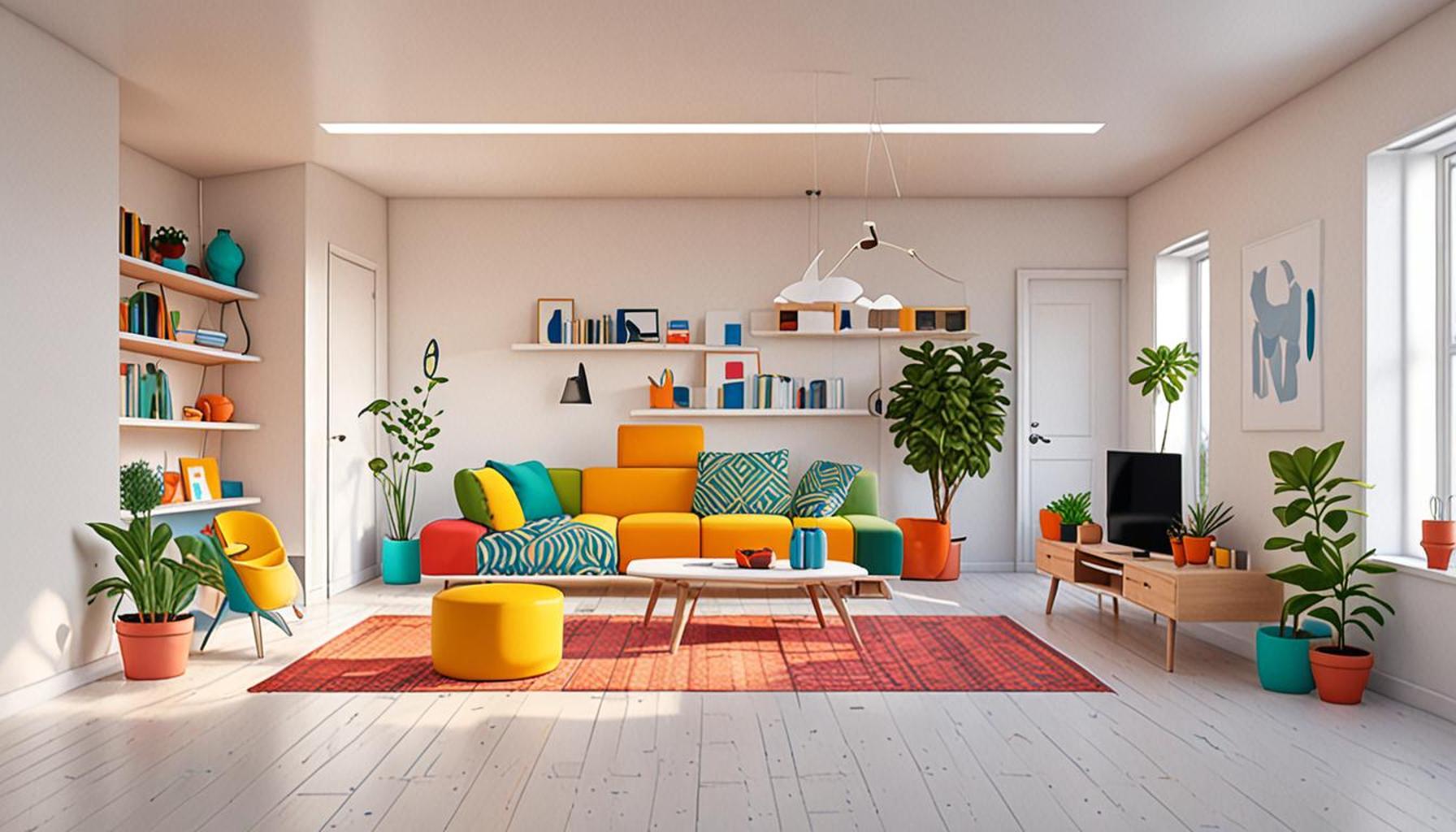
Embracing Spatial Efficiency for a Fulfilling Lifestyle
In an increasingly cluttered world, the concept of spatial efficiency has emerged as a revolutionary approach to living. Embracing minimalist living offers a pathway to transform environments through simplicity. This mindset not only reduces physical possessions but also fosters mental clarity and well-being. By intentionally creating space, individuals can find both peace and functionality in their surroundings.
Consider the following key aspects of spatial efficiency in minimalist living:
- Enhanced Creativity: A clutter-free environment stimulates innovative thinking. Studies have shown that individuals who work in minimalist spaces often experience less distraction and heightened focus. For instance, many modern co-working spaces in Lagos emphasize open layouts with minimal decor to encourage collaboration and creativity among professionals.
- Increased Sustainability: Reducing excess consumption leads to a smaller ecological footprint. In Nigeria, where environmental issues like deforestation and waste management are pressing, adopting a minimalist lifestyle can contribute to sustainability. By investing in quality over quantity, individuals can reduce waste and promote more sustainable purchasing habits, such as choosing locally-sourced, eco-friendly products.
- Improved Organization: Thoughtful space utilization maximizes functionality in homes and offices. This is particularly crucial in urban settings like Lagos, where space is often at a premium. Multipurpose furniture, such as a sofa that converts into a bed or a coffee table with storage, allows residents to enjoy a seamless living experience despite spatial constraints.
In Nigeria, where urbanization leads to space constraints, the need for efficient living is even more pressing. Many individuals are discovering that living intentionally—prioritizing quality over quantity—can greatly improve their daily lives. For example, the trend of tiny homes is gaining momentum as young Nigerians embrace minimalism to avoid high rent costs while maximizing comfort in their living spaces.
From innovative furniture designs to multi-functional spaces, the ways to embrace this minimalistic approach are diverse and adaptable. Troves of resources, including workshops and online platforms, provide guidance on effectively decluttering and arranging spaces. By educating ourselves on the principles of spatial efficiency, we can cultivate environments that reflect our true values and aspirations, ultimately leading to more fulfilled lives.
As the concept gains traction, communities across Nigeria are coming together to share ideas and solutions for minimalist living. This collective effort not only enhances personal experiences but also fosters a culture of creativity, sustainability, and organization. Overall, embracing spatial efficiency is not merely a trend; it is a lifestyle choice that can lead to profound changes in quality of life.
CHECK OUT: Click here to explore more
Unlocking the Benefits of Spatial Efficiency in Minimalist Living
In the quest for spatial efficiency, minimalist living invites individuals to rethink how they fill their spaces. This transformation goes beyond mere aesthetics; it encompasses a profound shift in lifestyle and approach to daily living. By evaluating the use of space, the minimalist philosophy encourages people to let go of non-essential items and prioritize what truly adds value to their lives. This practice not only creates a serene and organized environment but has many other unexpected benefits.
Optimizing Space Utilization: In high-density urban settings like Lagos, where housing is often compact and expensive, maximizing every square meter is essential. By utilizing clever design techniques such as open shelving, floating furniture, and vertical gardens, individuals can create visually appealing and functional living spaces. Such designs allow for easy access to items without creating a sense of clutter. Ingenious solutions, like built-in appliances and modular furniture, can help homeowners adapt to the limitations of smaller living areas while enhancing the overall functionality of a space.
- Foster Mindfulness: A minimalist environment promotes mindfulness as it inspires a conscious awareness of one’s surroundings. As individuals focus on fewer possessions, they can better appreciate the quality of each item. This heightened consciousness can lead to a more intentional lifestyle, encouraging them to reflect on their choices, habits, and interactions.
- Financial Savings: Adopting a minimalist lifestyle often results in significant financial benefits. By emphasizing quality over quantity, individuals can invest in durable goods that last longer, thus saving money in the long run. This approach is particularly vital in Nigeria, where fluctuations in the economy and rising living costs call for smarter spending choices.
- Community Connections: Minimalism encourages community engagement through shared resources and experiences. In various cities, such as Abuja and Port Harcourt, community swaps, and shared spaces are rising, allowing individuals to exchange items and experiences without the burden of ownership. This sharing fosters relationships that might otherwise remain hidden behind the walls of consumerism.
As the interest in minimalist living grows, so does the demand for accessible solutions that cater to the Nigerian context. Various local designers and architects are responding by creating sustainable living spaces that promote not only efficiency in design but also a connection to cultural heritage. Innovations that preserve traditional craftsmanship while introducing minimalist design principles are becoming increasingly popular, resulting in residences that celebrate both modernity and history.
Education and resources are also at the forefront of this movement. Workshops, seminars, and online platforms serve as vital tools for individuals seeking to understand and implement spatial efficiency in their homes. From decluttering strategies to smart design tips, these initiatives play a crucial role in guiding communities toward embracing minimalist principles that enrich lives both personally and socially.
By appreciating the importance of spatial efficiency and its various manifestations, individuals can discover innovative ways to navigate their environments, leading to a more fulfilled and intentional way of living. As this mindset of minimalism continues to gain momentum, it offers people a refreshing lens through which to view their spaces and lives.
| Advantages | Impact on Living Spaces |
|---|---|
| Enhanced Functionality | Applies to maximizing each area in a home. |
| Reduced Clutter | Creates a serene atmosphere promoting relaxation. |
| Lower Maintenance Requirements | Minimizes the need for extensive cleaning and organizing. |
| Economic Benefits | Less furniture and decor lead to significant savings. |
Minimalist living emphasizes the power of spatial efficiency, which brings forth numerous benefits that can greatly influence how we perceive and utilize our surroundings. Through the integration of minimalist principles, homeowners can achieve enhanced functionality in cramped quarters, allowing each area to serve multiple purposes effectively. This engaging approach encourages individuals to re-evaluate their possessions and their role in everyday life.Moreover, a minimalistic strategy significantly contributes to reducing clutter, directly improving mental clarity and fostering an environment of tranquility. As residents cultivate simplicity, they find themselves immersed in a more peaceful atmosphere that supports personal well-being.In addition to fostering serenity, minimalist living also brings about lower maintenance requirements. By choosing fewer items, individuals reduce the burden of upkeep, facilitating a more efficient lifestyle focused on experiences rather than possessions. This practical method ultimately leads to the realization that living a minimalistic life can translate into notable economic benefits. The cost savings associated with purchasing less—alongside reduced cleaning supplies, furniture, and utilities—further reinforce the value of employing spatial efficiency within homes. Through this exploration of minimalism, readers may discover more practical insights that can profoundly transform their living environments, promoting a harmonious balance between simplicity and utility.
RECOMMENDED: Check out this similar article
Enhancing Well-being Through Thoughtful Design
The minimalist lifestyle is not solely about reducing possessions; it also embodies a philosophy of intentional design that can significantly enhance personal well-being. A thoughtfully curated living space fosters peace and tranquility, which are essential for mental health. Environments adorned with only meaningful artifacts can reduce decision fatigue, often experienced in cluttered homes where individuals feel overwhelmed by choices. This clarity can lead to improved focus and productivity, allowing individuals to thrive in their personal and professional lives.
Environmental Sustainability: Minimalist living promotes a profound connection between individuals and their surroundings, advocating for environmental sustainability. By prioritizing efficiency and simplicity, individuals not only reduce waste but also contribute to a more sustainable future. The minimalist philosophy encourages people to consume less, thus minimizing their carbon footprints. In Nigeria, where urban expansion presents unique environmental challenges, embracing sustainable living practices can lead to a healthier ecosystem. This approach can manifest in the use of eco-friendly materials and the desire to incorporate local traditions into contemporary designs, reinforcing the significance of cultural heritage while addressing sustainability concerns.
- Adaptive Reuse: Many Nigerian cities are witnessing a rise in adaptive reuse projects that transform old buildings into functional spaces without the need for new materials. This practice not only preserves history but also embodies the principles of spatial efficiency, aptly demonstrating that minimalism can be both innovative and respectful to the past.
- Healthier Lifestyles: A minimalist home encourages healthier lifestyles by promoting activities that do not revolve around consumerism. With less clutter, residents are more likely to engage in hobbies such as reading, cooking, or practicing yoga. These activities can improve physical health and bolster mental resilience, reinforcing the synergistic relationship between a well-organized space and personal wellbeing.
- Creative Expression: Decluttering opens paths for creative expression. Individuals who adopt minimalist principles often explore art, DIY projects, or design solutions that reflect their personalities. In Nigeria, artisans are rediscovering traditional crafts and innovative techniques to create minimalist yet culturally relevant home décor, which highlights the beauty of simplicity.
The growing interest in minimalist living has prompted a wave of community initiatives, wherein individuals collaborate to address common issues related to space and functionality. Communities engage in organizing workshops to teach decluttering methods or hosting events that advocate for sustainable practices. This collective awareness fosters a sense of belonging and amplifies the benefits of minimalism while reinforcing communal ties.
Social media platforms have also played a role in spreading the minimalist message, with users sharing personal journeys of decluttering and creating efficient spaces. Influencers in Nigeria showcase not only their minimalist homes but also offer practical tips for others seeking to adopt such a lifestyle. This online engagement can inspire individuals to reconsider their relationship with their possessions and reimagine the potential of their living environments.
As the principles of spatial efficiency permeate various aspects of life, individuals can discover a newfound appreciation for their surroundings. Through a conscious shift toward minimalism, they embark on a journey that promises to redefine how they interact with their spaces, ultimately leading to a more balanced and fulfilling way of living.
YOU MAY ALSO LIKE: Read read another article
Conclusion
In conclusion, spatial efficiency emerges as a cornerstone of the minimalist lifestyle, offering profound benefits that extend beyond mere aesthetic appeal. By embracing simplicity and intentional design, individuals can cultivate environments that not only enhance their mental and emotional well-being but also foster a connection to the world around them. The principles of minimalism encourage conscious consumerism, urging us to reflect on our possessions and make choices that contribute to a sustainable future.
As demonstrated, the impact of minimalist living resonates particularly in urban settings like Nigeria, where rapid development often challenges sustainable practices. Through innovative solutions such as adaptive reuse and community-based workshops, individuals can actively participate in creating more functional spaces that honor both ecological and cultural heritage. This blend of modernity and tradition reinforces the notion that our environments can be both efficient and rich in meaning.
Moreover, the rise of social media has played a pivotal role in disseminating minimalist philosophies, allowing for a broader exchange of ideas and inspirations among a diverse audience. As more people engage with these concepts, they will discover how spatial efficiency can transform their lives, leading to healthier lifestyles and increased creative expression. The journey toward a minimalist lifestyle is not just about decluttering physical spaces; it is an invitation to reimagine our relationship with our surroundings, ultimately culminating in a more fulfilling and balanced existence.
In this rapidly evolving world, adopting the principles of spatial efficiency within a minimalist framework is not only a personal choice but also a collective movement towards sustainable living and cultural appreciation. It encourages us to prioritize what genuinely matters, thereby enriching our lives and the communities in which we live.