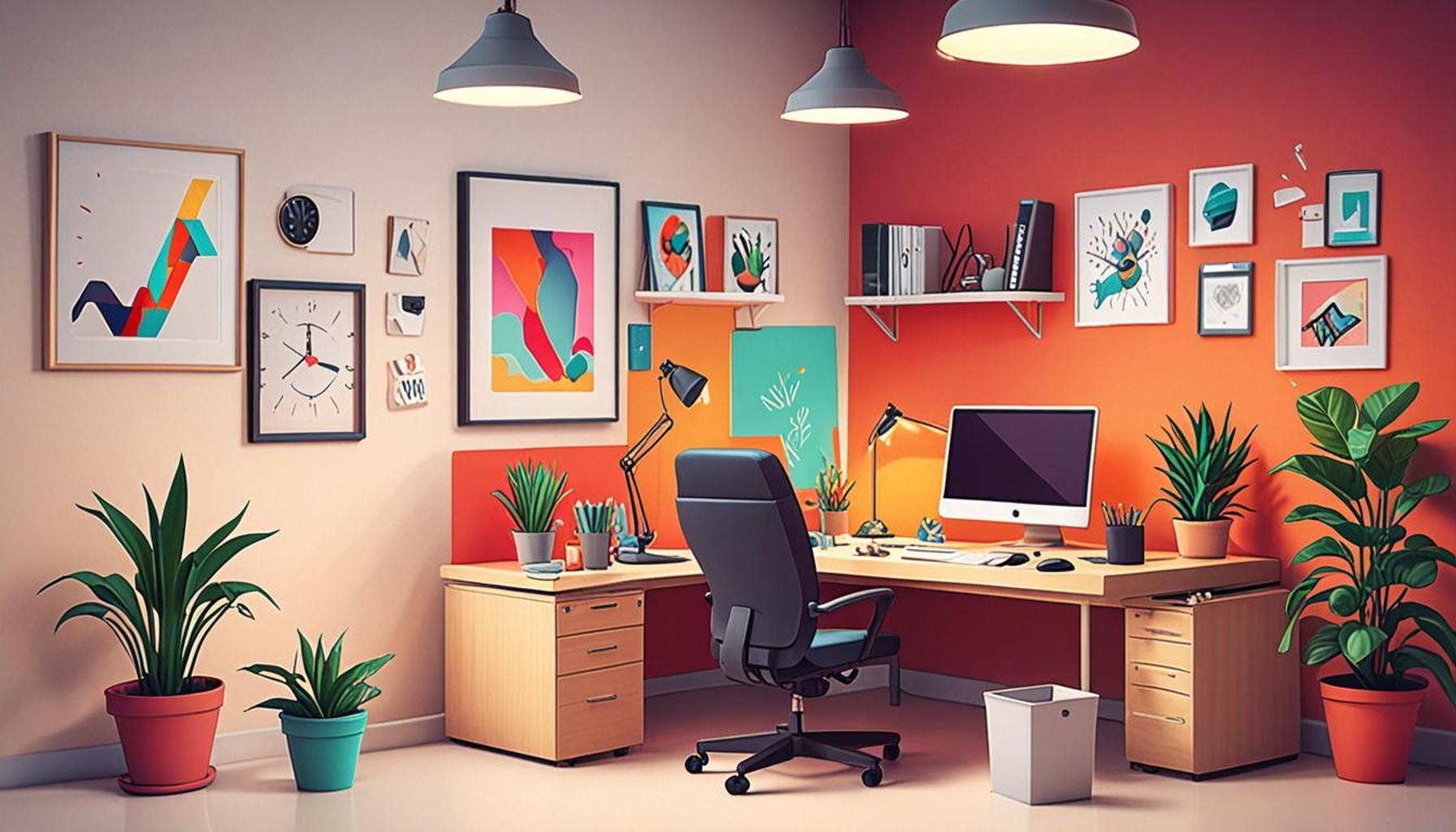
The Connection Between Minimalist Lifestyle and Energy Efficiency in Residential Environments
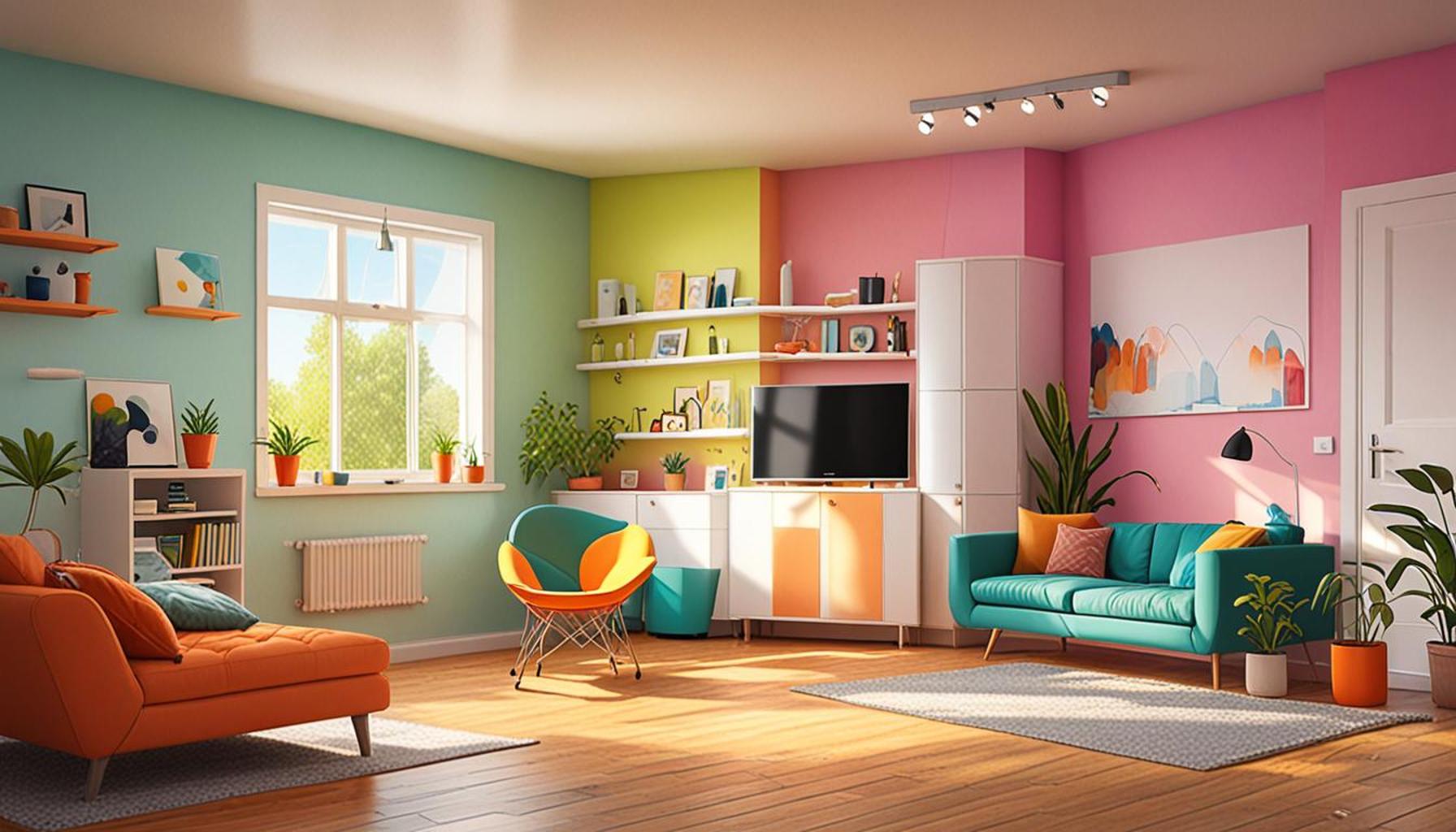
The Allure of Simplicity
In today’s world, where consumerism and materialism are often seen as markers of success, the minimalist lifestyle offers a contrasting perspective that invites a reevaluation of what truly matters. Minimalism promotes a way of living that strips away the superfluous and focuses on the essentials, fostering an environment where individuals can breathe easier, live more intentionally, and direct energy towards what enhances their lives.
Key Benefits of Minimalism
The advantages of adopting a minimalist lifestyle are tangible and multifaceted, making it an increasingly popular choice for many.
- Reduced Consumption: One of the core principles of minimalism is owning fewer possessions. This leads to a natural reduction in consumption patterns, resulting in decreased energy usage. For instance, by opting for fewer electronic devices, families can minimize their reliance on electricity, which is especially crucial in a country like Nigeria, where power outages are common.
- Space Optimization: A clutter-free space is not just aesthetically pleasing; it serves practical purposes as well. Houses with less clutter often enjoy improved air circulation and natural light. This reduces the need for artificial lighting and heating, which can significantly impact energy bills. Consequently, simple changes—such as using multipurpose furniture or organizing living areas—can create a more inviting environment while also saving energy.
- Lower Bills: Households that adopt minimalism can see a direct impact on their utility bills. With fewer appliances and decor items, families not only save on electricity costs, but they also reduce maintenance expenses. Residents in Nigeria, for example, may find that a minimalist approach helps to ease the financial strains associated with running generators or keeping air conditioning units running.
This delicate dance between minimalism and energy efficiency becomes increasingly important as Nigerians navigate the complexities of limited resources and high costs of living. Understanding how these two elements complement each other empowers residents to make informed choices that positively impact both their environment and their wallets.
Awareness and Adoption
As the discourse around sustainable living grows, more Nigerians are beginning to embrace the principles of minimalism combined with energy-saving practices. This integration has the potential to revolutionize how homes are designed and utilized. For instance, many opt for downsizing their properties, creating multifunctional spaces that accommodate various needs without the clutter.
Those who pursue a minimalist lifestyle may discover a deeper sense of fulfillment that goes beyond mere aesthetics. Embracing simplicity not only nurtures a more organized living space but also cultivates mindfulness, encouraging individuals to focus on experiences and relationships rather than possessions. The journey towards minimalism could lead residents toward a balanced, resource-efficient life, ultimately redefining their relationship with both their environment and their community.
LEARN MORE: This related article may interest you
Simplifying to Save: How Minimalism Fuels Energy Efficiency
As many Nigerians confront the challenge of a demanding energy landscape, the intersection of minimalism and energy efficiency emerges as a beacon of hope. Adopting a minimalist lifestyle entails not just decluttering physical spaces, but also embracing a philosophy that values sustainability and resourcefulness. The synergy between minimalism and energy efficiency can lead to sustainable living practices that resonate deeply with the cultural fabric of Nigerian households.
The minimalist ethos can influence various aspects of daily living in Nigeria, leading to profound changes in how energy is consumed at the residential level. Here are several key areas where this connection manifests:
- Intentional Purchasing: Minimalism encourages individuals to think critically about their consumption patterns. This means purchasing durable goods over disposable items, which not only reduces waste but also lessens the overall demand for manufacturing energy. For Nigerians, this could mean investing in high-efficiency appliances that consume less power over their lifetime, contributing to lower energy consumption.
- Smart Home Design: Many minimalist homes are designed with energy efficiency in mind. By using sustainable building materials and natural insulation methods, residents can substantially cut down on heating and cooling costs. Furthermore, designs that incorporate large windows for natural light can minimize the dependency on artificial lighting, thus conserving electricity.
- Encouraging Outdoor Living: Minimalism often promotes spending more time outdoors, where natural light and fresh air abound. This practice can lead to less reliance on indoor electrical systems. In Nigeria, this could be further enhanced with outdoor living areas that serve multiple purposes, such as entertainment spaces or vegetable gardens that promote sustainability and reduce energy spent on food transportation.
- Community Resilience: As Nigerians navigate energy shortages, adopting a minimalist lifestyle fosters greater community resilience. Collaboratives, such as shared tool libraries or community gardens, allow individuals to pool resources and share utilities. This not only strengthens the social fabric but also mitigates the overall energy demand on each household.
As more Nigerians explore the path toward minimalism, they may find that the benefits extend far beyond reduced clutter and lower energy expenses. This lifestyle invites a deeper connection to surrounding environments and encourages practices that prioritize long-term sustainability over short-lived gains. When each decision is made with intention, the impact on both our personal lives and the larger community becomes clearer, creating a ripple effect that can contribute significantly to energy conservation.
Ultimately, the journey into minimalism offers not only tangible benefits in terms of energy efficiency but also personal fulfillment and resilience in a world marked by changing circumstances. As this movement continues to grow, it prompts a rethinking of values and creates a collective effort toward creating homes that are not just shelters, but sanctuaries of sustainability.
The Connection Between Minimalist Lifestyle and Energy Efficiency in Residential Environments
The minimalist lifestyle emphasizes simplicity and intentionality, which naturally aligns with achieving energy efficiency in residential environments. By adopting a minimalist mindset, individuals can significantly reduce their energy consumption and environmental impact. One of the key components of minimalism is decluttering, which not only promotes a serene living space but also encourages the use of fewer resources.
In minimalist homes, the focus on essential items means fewer gadgets, appliances, and lighting installations, all of which contribute to reduced energy usage. Homes designed with minimalism in mind often prioritize natural lighting and ventilation, significantly lowering reliance on artificial lighting and heating. This approach not only enhances the aesthetic quality of the space but also leads to substantial energy savings.
Moreover, the integration of energy-efficient technologies is another hallmark of the minimalist home. For instance, the use of energy-efficient appliances and smart home systems encourages homeowners to monitor and minimize energy consumption actively. These systems can adjust energy use based on real-time needs, transitioning towards a more sustainable lifestyle. Before diving deeper into this topic, let’s examine how minimalism enhances energy efficiency through an informative table.
| Category | Description |
|---|---|
| Space Optimization | Minimizing clutter allows for more open spaces, reducing the need for energy consumption in heating and cooling. |
| Sustainable Materials | Using materials that are energy-efficient and sustainable reduces the carbon footprint of residential spaces. |
Continuing the exploration of how minimalist principles enhance energy efficiency reveals substantial connections that inspire a more sustainable way of living. Further analysis will uncover specific designs and technologies that complement the minimalist ethos while prioritizing environmental responsibility.
RECOMMENDED: Check out this similar article
Creating an Energy-Conscious Home: The Minimalist Approach
Within the minimalist movement lies an intrinsic drive towards not only simplifying one’s surroundings but also creating residential environments that champion energy efficiency. This connection between minimalism and responsible energy consumption continues to grow as Nigerians embrace smarter living arrangements that resonate with both modern aesthetics and sustainable principles.
One of the profound manifestations of this connection is the increasing popularity of renewable energy sources in minimalist homes. With the energy crisis looming large in various parts of Nigeria, many households are now exploring solar energy solutions. The minimalism philosophy aligns perfectly with the adoption of solar power, as it reduces dependency on the traditional power grid while enabling a lower carbon footprint. By utilizing solar panels and batteries, homes can generate their electricity, thereby conserving energy and lowering utility costs.
Moreover, the minimalist lifestyle emphasizes the significance of energy-efficient lighting. As more Nigerians replace conventional light bulbs with LED technology, the electricity savings become noticeable over time. According to the Energy Commission of Nigeria, switching to energy-efficient lighting can decrease energy consumption for lighting by up to 75%. Such practices not only diminish energy demand but also create a more appealing and well-lit living space, echoing the minimalist belief in the beauty of simplicity.
Another area deeply influenced by a minimalist mindset is the concept of smart technologies. In homes where resources are intentionally curated, integrating smart home systems for energy management has garnered traction. Devices like smart thermostats and energy monitors allow residents to manage their energy usage effectively. In Nigeria, where energy supply can be intermittent, this technology helps households make informed choices about energy use, conserving power during peak demand hours and shifting usage to off-peak times.
Furthermore, minimalism encourages an exploration of natural light and ventilation as primary features in home design. Well-placed windows and ventilated layouts not only improve indoor air quality but also create a more energy-efficient environment by reducing heating and cooling needs. In a climate where heat is a significant concern, this approach helps maintain comfortable living spaces without excessive reliance on air conditioning units, which are known to contribute to high energy bills and environmental strain.
The minimalist lifestyle also advocates for less reliance on electronic devices, a principle that naturally leads to reduced energy consumption. Households that practice minimalism often find ways to decrease screen time and prioritize engaging activities that do not require electricity. For families in Nigeria, this means rediscovering leisure through traditional games, storytelling, and family gatherings—activities that foster community connections while enhancing energy conservation.
Finally, the notion of time-based energy savings becomes relevant within the minimalist framework. Individuals and families are encouraged to align their energy-intensive activities, such as laundry or cooking, with solar gain periods. By understanding their energy usage patterns and synchronizing them with natural cycles, residents can further reduce their energy footprint while embracing the simplicity and functionality that minimalism embodies.
The exploration of these interconnections illustrates how a minimalist lifestyle can lead to well-rounded practices of energy efficiency in residential environments across Nigeria. As the country grapples with energy challenges, a shift toward minimalism may unlock an array of sustainable solutions that prioritize quality over quantity while preserving the richness of communal living. Each step towards minimalism invites Nigerians to reconsider the balance between consumption, waste, and energy, ultimately paving the way for a future that is both conscientious and resourceful.
YOU MAY ALSO LIKE: Read read another article
Conclusion: Embracing Minimalism for a Sustainable Future
As Nigeria continues to navigate its energy challenges, the relationship between a minimalist lifestyle and energy efficiency emerges as a pivotal area of exploration and innovation. This synergy not only resonates with the essence of contemporary living, but it also underscores a growing awareness of sustainable practices that have the potential to reshape how individuals and families engage with their environment. By championing simplicity, minimalism encourages homeowners to prioritize essential needs while adopting solutions that reduce energy consumption, such as renewable energy sources and energy-efficient technologies.
Furthermore, the minimalist approach fosters a cultural shift toward community-oriented activities and a reconnection with nature, echoing traditional values while embracing modernity. The integration of smart technologies and strategic home design, such as maximizing natural light and ventilation, invites innovative solutions that put energy efficiency at the forefront of residential living. This not only leads to considerable cost savings for households but also contributes to a collective effort in reducing carbon footprints across the nation.
In summary, the unfolding narrative of minimalism in Nigeria illustrates the immense benefits of living sustainably. It serves as a reminder that by embracing less, we may ultimately create more—more comfort, more resourcefulness, and a more profound connection with our communities and environment. Adopting a minimalist lifestyle while focusing on energy efficiency presents an opportunity for Nigerians to lead the way towards a future that places value on sustainability, harmony, and conscious living.