Multifunctional Spaces: Creating Work and Leisure Areas in Compact Environments
Understanding Multifunctional Spaces
As urban centers like Lagos and Abuja continue to grow relentlessly, the need for multifunctional spaces becomes ever more pressing. The relentless pace of urbanization has birthed a new paradigm wherein residential and workplace environments must dynamically adapt to the needs of their inhabitants. This adaptation cultivates an enhanced sense of productivity while seamlessly blending leisure with work. It is a testament to modern design, reflecting both societal trends and economic necessities.
The concept of multifunctional spaces transcends mere physical arrangement; it encapsulates a way of living that maximizes both efficiency and comfort. For instance, homes that serve as both living quarters and professional offices can drastically cut down on commuting time, allowing individuals to reclaim valuable hours for personal pursuits. In cities where congestion is prevalent, this efficiency translates into profound time savings. Think about how many hours a week the average Lagosian spends stuck in traffic—transforming the home into a workspace can alleviate that strain.
The Benefits of Multifunctional Design
The advantages of designing multifunctional spaces are numerous and can significantly improve quality of life:
- Efficiency: By utilizing every square meter wisely, space can be transformed into venues of varying usefulness, allowing for substantial financial savings in real estate and operational costs. For instance, a compact apartment can integrate a fold-out dining table that converts into a workspace, maximizing versatility.
- Flexibility: Spaces designed to adapt to various needs ensure that they can meet the demands of different activities—be it engaging in work tasks during the day and morphing into a cozy relaxation zone in the evening, such as a sitting area that doubles as a reading nook.
- Community Building: In collaborative environments like co-working spaces, individuals gain access to shared resources while also fostering connections with others. These spaces not only serve functional purposes but also create an ecosystem ripe for networking opportunities, perhaps over a cup of coffee in a lounge area.
Considering the context of cities like Abuja or Lagos, where real estate can be expensive and often limited, the necessity for multifunctional environments becomes clear. One compelling example includes mixed-use developments that incorporate residential, retail, and recreational spaces into a singular area—allowing residents to live, work, and play within close proximity.
Real-world Examples of Multifunctional Spaces
Numerous examples can be found that illustrate the potential of multifunctional spaces to meet modern needs:
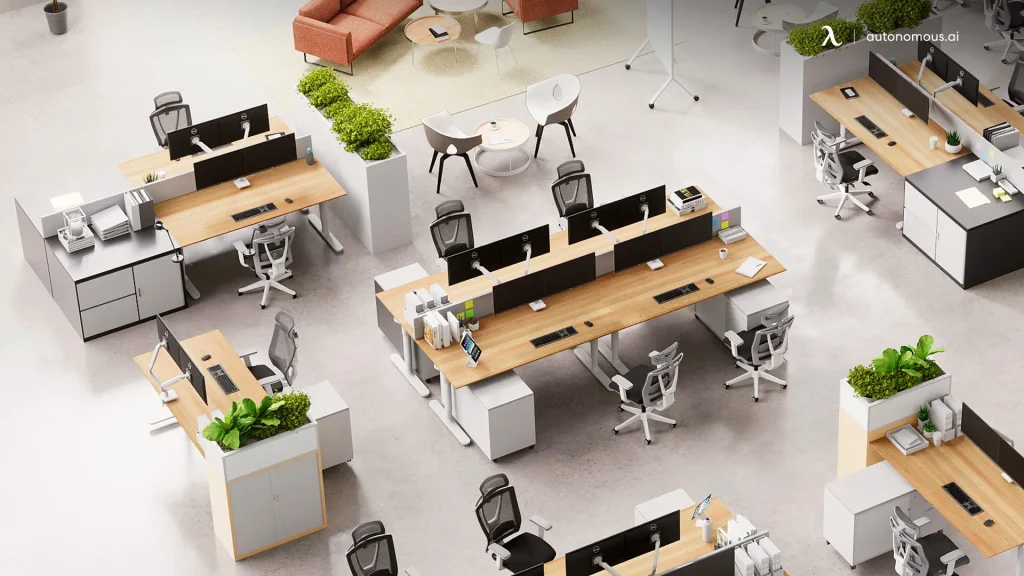
- Home offices that double as informal meeting areas provide a practical solution for entrepreneurs and freelancers, making collaboration more accessible without requiring external meeting spaces.
- Co-working spaces equipped with relaxation pods encourage creativity and downtime, allowing professionals to recharge and return to their tasks with renewed focus and inspiration.
- Studios that can transform into event or workshop venues offer artists and entrepreneurs the flexibility to host gatherings, thus maximizing the potential of their physical spaces.
As we explore the various ways to design and optimize these innovative environments, it becomes increasingly apparent that a thought-out approach to space can cater effectively to both work and leisure, all while ensuring a stylish yet comfortable atmosphere. The future of living and working may very well hinge on our ability to create spaces that elevate our daily experiences, allowing for the necessary fluidity in an increasingly mobile world.
ADDITIONAL INSIGHTS: Expand your understanding here
Innovative Uses of Space
In the landscape of modern urban life, particularly in bustling cities like Lagos and Abuja, the challenge of limited space calls for innovative solutions. Multifunctional spaces enable the seamless blending of work and leisure, transforming everyday living into an experience that promotes productivity without sacrificing comfort. For many residents, the concept of having distinct areas for various purposes within a compact environment is not just a design choice; it is a necessity driven by the realities of urban living. This entails creating spaces that are not only aesthetically appealing but also serve multiple roles throughout the day.
Consider the exponential growth of housing units around commercial districts and educational institutions—these areas are increasingly designed to cater to a mixed-use lifestyle. An apartment located near a business hub, for example, can enhance an individual’s life by allowing quick access to work while delivering the comforts of home in close proximity. Such arrangements bolster the quality of life by integrating essential services, entertainment, and workplaces into neighborhoods, fundamentally shifting how urban dwellers engage with their environments.
Design Strategies for Multifunctional Spaces
Effective design is foundational in realizing the potential of multifunctional spaces. Here are some strategies that can be employed:
- Modular Furniture: Incorporating furniture that can easily adapt to different functions is crucial. For example, a sofa bed allows a living room not only to serve as a relaxing area in the evening but also converts quickly for overnight guests.
- Open Plan Layouts: Utilizing open floor plans minimizes physical barriers, encouraging fluid movement between work and leisure activities. This approach suits modern lifestyles where individuals may work from home and enjoy leisure pursuits simultaneously, such as exercising in the living area.
- Smart Technology: Integrating technology that optimizes space use can enhance the functionality of these areas. Smart lighting and temperature controls, for example, can transform an energized workspace into a calming retreat with the flick of a switch.
In Nigeria, these design principles are vital, especially considering the rising costs of real estate and the urbanization trends reflecting a youthful population eager for agility in their living arrangements. Keeping in mind the necessity to work from home or engage in leisure activities amidst potentially cramped conditions becomes even more pertinent in cities where real estate is at a premium.
With thoughtful strategies, multifaceted spaces can play a vital role in urban transitions, leading to not just better living conditions but also enriching the overall experience of residents. As we delve further into the benefits and examples of multifunctional spaces, it becomes evident that these adaptable environments are key to a balanced, vibrant urban lifestyle.
Exploring the Potential of Multifunctional Spaces
In today’s fast-paced world, the demand for multifunctional spaces is becoming increasingly significant. These versatile environments, which blend work and leisure, offer innovative solutions for optimizing small areas without compromising functionality or aesthetics. By combining different activities within a single space, users can maximize their productivity while also enjoying leisure activities.
One of the key advantages of creating multifunctional spaces is their ability to foster creativity and collaboration. For example, an area that serves as both an office and a relaxation zone can stimulate new ideas, as the change in scenery provides mental refreshment. In addition, such configurations reduce commute times and travel expenses, making them extremely practical for remote workers and freelancers.
Furthermore, compact living and working arrangements contribute to sustainability by minimizing the need for additional square footage and reducing environmental footprints. Incorporating elements like mobile furniture, which can easily transition between work and play, exemplifies the marriage of functionality and style. As urban living spaces become increasingly limited, exploring multifunctional designs is essential in creating environments that cater to our evolving lifestyles.
| Category | Details |
|---|---|
| Space Utilization | Maximizes available space, allowing for various activities within limited square footage. |
| Increased Productivity | Promotes a healthy work-life balance, leading to enhanced focus and creativity. |
Ultimately, multifunctional spaces represent a vital shift in how we view our environments, encouraging us to create areas that not only serve a purpose but also enhance our quality of life.
LEARN MORE: This related article may interest you
Maximizing Efficiency in Compact Living
As urban populations continue to swell, particularly in Nigeria’s major cities, the need for maximizing efficiency in compact living environments has reached critical levels. Residents are increasingly seeking ways to make the most of their limited square footage, and multifunctional spaces offer a promising solution. These versatile areas not only address the space crunch but also respond to the growing demand for more sustainable and flexible lifestyles.
One of the most compelling aspects of multifunctional spaces is their ability to adapt to the lifestyles and changing needs of residents. For example, a home office that can effortlessly transform into a guest bedroom provides significant value in a world where remote work is commonplace. With the rise of technology, individuals can log in for a virtual meeting in the morning and unwind with a relaxing environment by evening. This seamless transition reduces the need for reallocation of space while promoting a productive yet comforting atmosphere at home.
The Importance of Flexibility
Given the unpredictable nature of urban living, flexibility becomes an essential characteristic of successful multifunctional designs. Using removable dividers or movable furniture can help residents customize their spaces to fit activities ranging from professional tasks to family gatherings. In a compact apartment in Lagos, for instance, residents might choose to use a folding dining table that serves as both workspace and mealtime area, accommodating guests when necessary while minimizing clutter.
- Adaptable Zones: Creating adaptable zones within a living area can facilitate various activities. A structured layout that defines these zones encourages residents to engage in hobbies, work, and relaxation without feeling confined. By introducing elements like foldable partitions, interior gardens, or convertible furniture, inhabitants of a compact space can create zones that shift purpose based on the time of day or the people present.
- Multi-Purpose Outdoor Areas: Outside space can also be cleverly utilized. A small balcony or terrace can serve as a tranquil outdoor office, a place for meditation, or a cozy nook for evening entertainment. Incorporating greenery, such as potted plants or vertical gardens, not only improves aesthetics but can enhance mental wellbeing and provide a refreshing escape from the urban landscape.
Incorporating these principles into residential designs can have a far-reaching impact. According to a recent report from the Nigerian Bureau of Statistics, “housing deficits in urban centers extend beyond just the quantity of homes available; it’s about how well these spaces serve the diverse needs of urban dwellers.” This sentiment encourages architects and designers to focus on innovative solutions that promote adaptability in living areas.
Embracing Local Culture and Traditions
In cities like Abuja and Lagos, it’s crucial to integrate local culture and lifestyle into multifunctional space designs. The introduction of traditional elements—such as Nigerian artwork, handicrafts, and textiles—enriches these spaces and makes them unique yet functional. Moreover, these items can serve dual purposes: decorative and practical. A beautifully crafted cabinet can house essential work materials while also serving as an eye-catching decorative feature.
As the interplay between work and leisure becomes increasingly pivotal, incorporating multifunctional spaces into urban design not only optimizes living conditions but also meets the complex demands of modern urban life. This creative approach will be essential for shaping vibrant, resilient communities well into the future.
ADDITIONAL INSIGHTS: Expand your understanding here
Conclusion
The evolution of urban living, particularly in bustling cities across Nigeria, emphasizes the need for multifunctional spaces that harmoniously blend work and leisure areas. As populations grow and the demand for housing intensifies, it becomes imperative to rethink how we utilize limited spaces. These innovative designs not only optimize available square footage but also enhance the overall quality of life for residents, offering sustainability and flexibility in our ever-changing environments.
Embracing adaptability is key; implementing features such as movable furniture and adaptable zones allows residents to personalize their living environments. The incorporation of local cultural elements further enriches these spaces, creating a sense of identity and community. An interior that reflects Nigeria’s vibrant heritage while serving multiple purposes becomes a canvas for creativity and functional living.
As we navigate the complexities of modern urban exists, the imperative for architects and designers is clear: promoting multifunctional spaces is not merely a design trend but a necessary solution for shaping resilient communities. By thoughtfully addressing the needs of urban dwellers, we can create environments that foster productivity, relaxation, and togetherness. Ultimately, the future of living within Nigeria, and indeed, urban centers worldwide, lies in our ability to blur the lines between work and leisure in a compact, yet purposeful, manner.