
Minimalism and Time Management: How to Create a Simplified Work Environment to Maximize Productivity

Navigating the Challenges of a Cluttered World
In a landscape dominated by constant notifications from our devices, the overwhelming demands of daily life can create an atmosphere thick with distractions. This calls for a transformative approach to our environments—creating a simplified work environment can serve as a beacon of clarity amid chaos. Minimalism isn’t just a design choice; it’s a powerful tool that enhances mental clarity and fosters focus, allowing individuals to zero in on their most important tasks.
The benefits of adopting minimalism within your work life are both profound and practical. One of the most significant outcomes is an increased productivity. Research shows that when our surroundings are free from clutter, our brains can function more efficiently. Fewer visual distractions allow for better concentration, enabling you to tackle your to-do list with greater speed and effectiveness.
Moreover, minimalism encourages better time management. When you streamline your tasks and eliminate unnecessary frills, you can dedicate your time more wisely. For instance, rather than shuffling between numerous unorganized documents or tools, having a minimal setup lets you access what you need quickly. This is particularly important in Nigerian workplaces, where time is often of the essence, and the pressure to perform is palpable.
Additionally, a decluttered environment fosters stress reduction. A clean workspace can cultivate tranquility and minimize anxiety levels. Consider a bustling Lagos office where the noise and activity might lead one to feel overwhelmed. In contrast, a minimalist workspace, perhaps adorned with a few carefully chosen plants or artworks, can help create a serene retreat perfect for thoughtful work. This tranquil environment can be especially beneficial for busy professionals and entrepreneurs navigating the dynamic markets of Nigeria.
Practical Steps to Embrace Minimalism
As you delve deeper into the intersection of time management and minimalism, you’ll uncover several actionable strategies designed to simplify both your space and your workflow:
- Identify distractions: Take stock of what interrupts your flow. Addressing these distractions—be it excessive notifications or unnecessary meetings—can significantly boost your energy and focus.
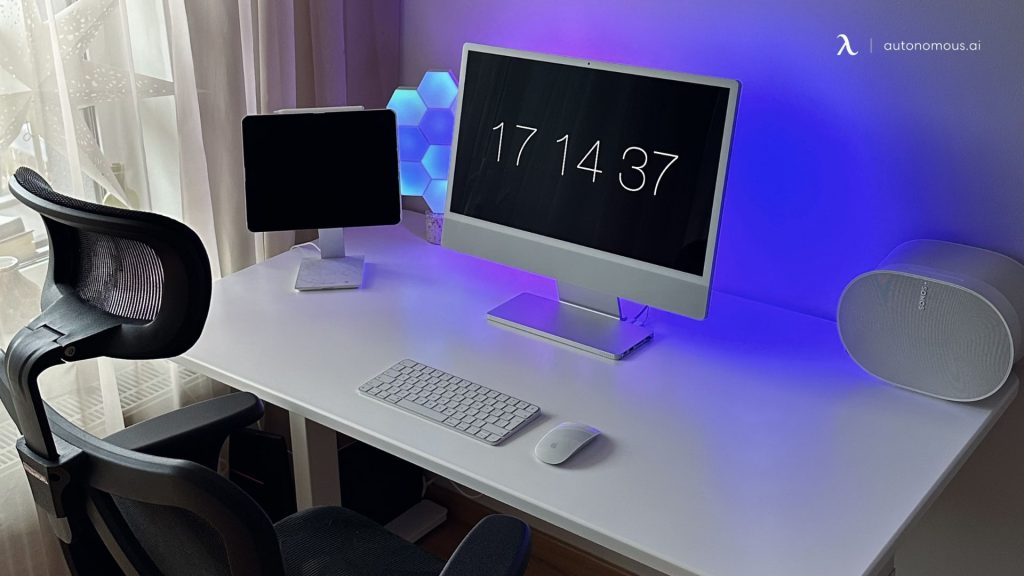
- Organize your space: Each item in your workspace should serve a purpose. Invest time in arranging your desk, keeping only essentials within reach to support clear thinking. For instance, having a dedicated spot for your laptop and notebooks can eliminate the need to sift through piles of unrelated items.
- Implement productivity techniques: Techniques like the Pomodoro Technique or time-blocking can help you maximize your output, ensuring that you stay on track without succumbing to the temptation of multitasking.
Ultimately, the journey toward simplification is one filled with opportunities for growth and self-discovery. By transforming your chaos-ridden environment into a serene space, you unlock your true potential and prepare yourself for success. Are you poised to dive into the world of minimalism and redefine your professional experience?
CHECK OUT: Click here to explore more
Understanding Minimalism in the Workplace
Minimalism, at its core, is about removing the non-essential and focusing on what truly matters. In the context of the workplace, this can translate to a significant change in how one perceives and interacts with their environment. The essence of minimalism in a professional setting is to create a space that amplifies productivity by reducing clutter—both physical and mental. A minimalist workspace encourages not just a lean aesthetic but also a streamlined approach to tasks and priorities.
To grasp the power of minimalism, consider its direct impact on time management. In Nigeria, where the fast-paced business world often demands quick decision-making and swift execution, devising a systematic approach to work can alleviate some of that pressure. For example, opting for a clean desk that only holds essential items can help professionals quickly access tools without wasting precious time searching through clutter. This streamlined environment encourages a more focused mindset, optimizing performance during crucial work hours.
Furthermore, minimalism fosters a culture of intentionality. Every item on your desk should have a purpose. In a typical Nigerian office, for instance, you might often find a myriad of papers and documents piling up. Implementing minimalism here means curating only those documents that are relevant to your current tasks. For example, replacing a cluttered array of paperwork with a single digital folder can save time and reduce the stress associated with disorganization. This not only enhances productivity but also aids in quick access to information when required.
Benefits of a Minimalist Workspace
The advantages of embracing a minimalist approach in the workplace are multifaceted. Here are some of the most significant benefits:
- Enhanced Focus: A less cluttered environment leads to fewer distractions, allowing individuals to concentrate better on their work at hand.
- Improved Time Efficiency: By reducing the time spent searching for items and information, employees can allocate their time toward productive tasks instead.
- Boosted Creativity: A simplified workspace can promoting creative thinking by providing mental space to develop new ideas without clutter inhibiting innovation.
- Stress Reduction: Clutter often induces anxiety; a clean and minimalistic space can promote a sense of calm, thereby lowering stress levels.
Incorporating minimalism into your workspace isn’t just about aesthetics; it’s a strategic approach that can dramatically improve both personal satisfaction and professional output. By focusing on essential items and maintaining clarity, a work environment can transform into a sanctuary for productivity. Are you ready to delve deeper into how these principles can be applied to truly revolutionize your work experience?
| Advantage | Description |
|---|---|
| Reduced Distractions | Minimalism promotes a clear workspace, enhancing focus by minimizing clutter and unnecessary stimuli. |
| Streamlined Processes | A simplified work environment allows for easier organization of tasks, promoting better time management and efficiency. |
Continuing with the theme of “Minimalism and Time Management,” it is essential to consider how reducing distractions can significantly impact one’s ability to focus on the task at hand. In a minimalistic space, every item is functional, serving a purpose that enhances productivity. Furthermore, adopting a streamlined approach to processes and workflows not only saves time but also reduces the mental clutter often associated with juggling multiple responsibilities. With fewer items vying for attention, both physical and digital workspaces can foster increased clarity, allowing professionals to identify priorities quickly. This method not only aids in maximizing productivity but also introduces an element of tranquility to the work environment, crucial for maintaining motivation and engagement. By embracing a minimalist mindset combined with effective time management strategies, individuals can craft a work setting that is not just functional but also enhances overall well-being.
ADDITIONAL INSIGHTS: Expand your understanding here
Implementing Minimalism in Daily Routines
Having established the foundational principles of minimalism within workplace environments, it is essential to translate these ideas into actionable behavior that aligns with time management goals. To create a workspace that maximizes productivity, one must integrate minimalism into daily routines, crafting habits that support a clutter-free, focused atmosphere.
One effective method is to adopt the “One In, One Out” approach. For every new item brought into the workspace, such as a new project file or even personal belongings, a corresponding item must leave. This practice prevents the gradual accumulation of unnecessary items that can clutter physical and mental space. In Nigeria, where startups often operate from small office spaces, this becomes particularly relevant. Maintaining order is key to a smooth workflow, and this simple rule helps ensure that the workspace remains efficient and manageable.
Prioritizing Task Lists
Minimalism also plays a crucial role in how we organize our tasks. The traditional to-do list can often become overwhelming, leading to stress and decreased productivity. Instead, professionals are encouraged to embrace a “Top Three” method. Each day, select and prioritize the top three tasks that need to be accomplished. This focused approach simplifies your workload while fostering a sense of accountability and achievement. In bustling cities like Lagos, where distractions are plentiful, honing in on just three key tasks can prevent the feeling of being scatterbrained, allowing for deeper work on those high-priority items.
Moreover, the practice of time blocking is a vital minimalistic strategy for improving time management. This method involves allocating specific blocks of time for individual tasks or projects, with no overlap. By scheduling activities in advance—be it a training session or a client meeting—professionals in Nigeria can achieve enhanced focus and fewer interruptions. Consider integrating a digital calendar to visually map out your blocks. This creates a clear structure for the day and combats the tendency to multitask, which can often lead to diminished productivity.
Creating a Decluttered Digital Workspace
Equally important as a physical workspace is the digital environment. In a digital-first age, professionals must be aware of the clutter that can build up on desktops, email inboxes, and project management tools. Maintaining digital minimalism involves regularly purging files, categorizing information, and employing tools designed to streamline workflows. For example, embracing tools like Google Drive or Trello can enhance organization without taking up valuable physical space. Additionally, setting aside time each week to review and curate digital content ensures that only relevant data is retained, reducing overall cognitive overload.
- Digital Folder Organization: Create specific folders for different projects or areas of focus. Consistently labeling files can minimize time spent searching for information.
- Inbox Zero: Aim to clear your email inbox daily by responding, delegating, or archiving emails. This approach prevents an overwhelming influx of information.
- Mindful Technology Use: Limit notifications on digital devices to reduce interruptions. Dedicating specific times to check emails or messages can help maintain concentration.
These strategies demonstrate that effective time management intertwined with minimalism can lead to significant productivity gains. By reducing both physical and mental clutter, professionals position themselves to work more effectively in the ever-evolving Nigerian business landscape. Discovering ways to streamline both tasks and environments not only fosters a sense of calm but also opens up avenues for greater innovation. As professionals continue to juggle increasing demands, the marriage of minimalism and structured time management becomes increasingly vital for success.
RECOMMENDED: Check out this similar article
Final Thoughts on Minimalism and Time Management
Embracing minimalism within the context of time management presents a powerful strategy for enhancing productivity in today’s fast-paced work landscape, particularly in regions like Nigeria where efficiency is paramount. By systematically decluttering both physical and digital spaces, professionals can cultivate environments that sharpen focus and streamline task execution. The implementation of strategic practices such as the “One In, One Out” rule, prioritizing a uncomplicated “Top Three” task list, and utilizing time blocking techniques empowers individuals to take control of their time and resources.
Moreover, the move toward a simplified work setting not only fosters greater individual productivity but also promotes a culture of efficiency and innovation within teams. In cities like Lagos, where the hustle often leads to chaos, methodical organization can reclaim valuable mental space, enabling clearer thought and enhanced creativity. Digitally, maintaining a clutter-free workspace is essential; regularly cleaning up digital tools not only enriches productivity but also alleviates the cognitive load that often accompanies a disorganized electronic environment.
Ultimately, marrying minimalism with effective time management practices is not merely about removing clutter; it’s about enriching the quality of work and life. As professionals navigate the demands of their roles, intentionality in design and organization will become key drivers for success. To achieve a balance in both personal and professional capacities, investing time in these minimalist practices can unlock a wellspring of potential for a more productive and fulfilling work life.