The Evolution of Minimalist Design: Contemporary Trends in Spatial Efficiency

Understanding the Principles of Minimalist Design
In today’s rapidly changing world, where distractions seem to be everywhere, the allure of minimalist design stands out. This design philosophy is not just an aesthetic choice; it is, essentially, a lifestyle adjustment that reflects a deeper appreciation for clarity and substance. It embraces the idea that less can indeed be more, a notion that is becoming increasingly relevant in densely populated areas like Nigeria, where space is often at a premium.
Minimalist design embodies a clean, clutter-free aesthetic that promotes a sense of peace while prioritizing function. This approach can be observed in various elements of contemporary architecture and interior design that redefine how spaces are utilized. Let us explore some key elements that characterize minimalist design:
- Functional Spaces: Each room is created with its purpose in mind, ensuring that every aspect of the design serves a practical function. For instance, in many Nigerian homes, living rooms are designed not just for aesthetics but also to facilitate social gatherings, displaying furniture that encourages engagement.
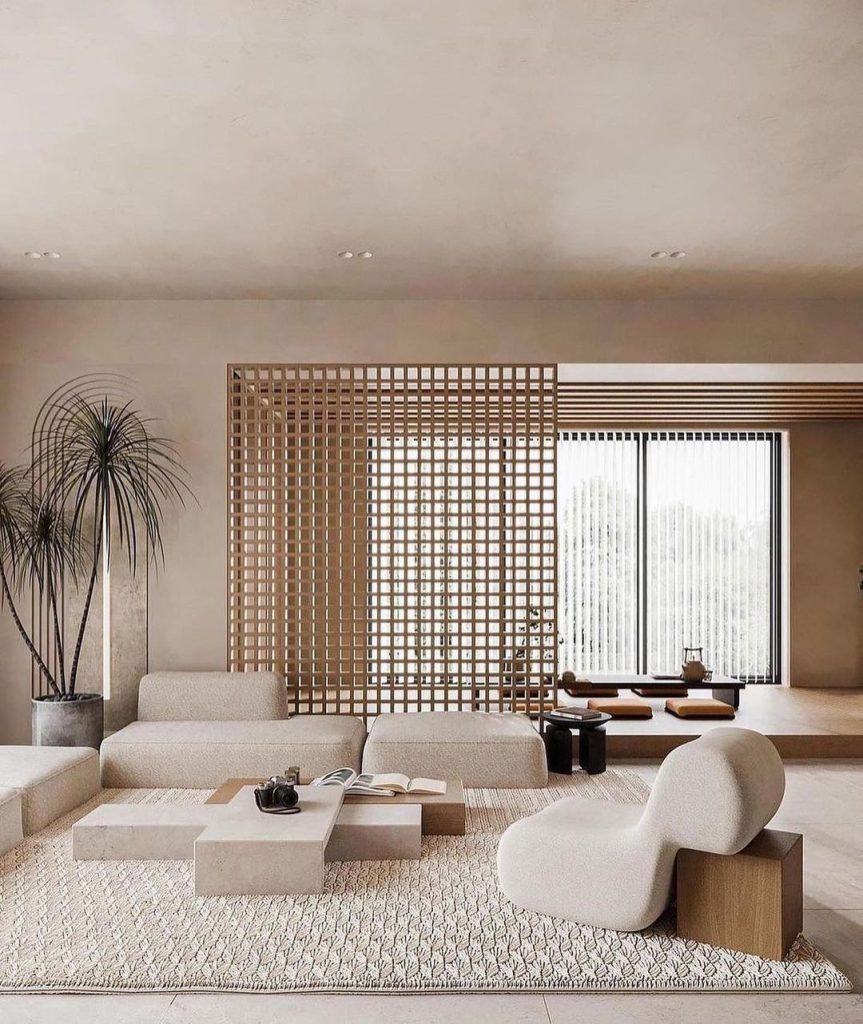
- Neutral Color Palettes: Soft, tranquil hues dominate minimalist spaces, creating a sense of openness. Colors like beige, white, and soft greys contribute to a soothing environment that can mitigate the chaos often associated with urban living.
- Quality Over Quantity: Rather than filling a space with numerous decor items, minimalism emphasizes investing in fewer, high-quality pieces. In Nigeria, this could mean selecting handcrafted artisanal furniture that not only enhances comfort but also tells a story.
As we consider the evolving landscape of design, it is noteworthy how minimalist principles are effectively applied within the unique context of Nigeria. In cities like Lagos and Abuja, where high population density leads to compact living spaces, architects and designers are creatively incorporating these principles to maximize spatial efficiency. Here are a few key strategies:
- Simplifying layouts to promote better flow and usage of space, thereby making smaller homes feel more spacious.
- Utilizing multi-functional furniture that serves dual purposes—such as a sofa that converts into a bed, ideal for accommodating unexpected guests or for efficient use of space.
- Enhancing natural light through larger windows and open-plan layouts to create an inviting ambiance, often complemented by strategically placed indoor plants that also improve air quality.
In essence, the minimalist movement is reshaping our living environments and influencing decision-making in design. It challenges us to re-evaluate our relationship with our surroundings and encourages choices that prioritize quality and functionality over mere decoration. The journey of embracing this design philosophy is not just about reducing clutter; it is a profound invitation to live better, more meaningful lives, focused on what truly matters.
CHECK OUT: Click here to explore more
Redefining Space: The Modern Approach to Minimalist Design
As urban landscapes evolve, particularly in bustling cities like Lagos and Abuja, the idea of minimalist design has gained traction not just as a style, but as a necessary response to the pressing need for spatial efficiency. The contemporary approach to design is shifting towards a framework that embraces utility and simplicity without sacrificing beauty. In this pursuit, the architectural community is redefining spatial usage, allowing individuals to thrive in smaller, yet well-curated spaces.
The principles of minimalism encourage a focus on essential elements that provide function and comfort. This leads to a re-evaluation of traditional layouts, where the goal is not only to enhance aesthetics but also to maximize the utility of every square meter. For instance, many Nigerian homes are reinventing standard room designs. Where once there were defined spaces for living and dining, now open-plan formats facilitate fluid transitions, catering to socializing and everyday activities simultaneously. Let us dive into some current methods that embody this evolution:
- Adaptive Room Functions: With rising property prices, the concept of a room dedicated to a singular purpose is rapidly becoming a relic of the past. Designers are advocating for rooms that can adapt, such as home offices that double as guest rooms, utilizing foldable furniture that offers flexibility.
- Smart Technology Integration: The advancement of smart home technologies has empowered minimalist design. Devices such as automated lighting and climate control systems not only conserve energy but also curtail the need for unnecessary decor by creating a seamless user experience. This technology promotes a cleaner aesthetic.
- Strategic Decluttering: Implementing minimalist principles encourages homeowners to engage in regular decluttering. Beyond simply removing excess items, this practice emphasizes the importance of conscious consumption, allowing individuals to reflect on what truly enhances their lives.
Minimalism places value on quality, urging individuals to invest in fewer yet impactful items. In the context of Nigerian culture, this can be exemplified through the resurgence of locally sourced materials and craftsmanship. Artisans are now creating thoughtfully designed furniture that tells a story and uplifts the traditional values of the community while reflecting a modern design ethos. Each piece, whether it be a handcrafted chair or a delicate wooden table, not only serves a functional purpose but also stands as a testament to local heritage.
As we examine contemporary trends in spatial efficiency, it becomes clear that the minimalist design movement is far more than a passing trend. It is a genuine reflection of modern life in Nigeria and around the globe, merging practicality with style to create environments that nurture well-being and sustainability. The evolution of minimalist design continues to inspire and challenge us to reimagine our spaces, fostering an appreciation for the simple yet profound aspects of our surroundings.
| Advantages | Descriptions |
|---|---|
| Enhanced Aesthetics | Minimalist design promotes calmness and simplicity, making spaces visually appealing and less cluttered. |
| Improved Functionality | By prioritizing essential elements, minimalist spaces facilitate better flow and emphasize usability in interior design. |
| Sustainability | Spatial efficiency often translates to reduced resource consumption, aligning with eco-friendly initiatives. |
| Versatility | Minimalist designs adapt well to various styles, allowing for a personalized yet elegant look across different environments. |
The concept of minimalist design has significantly transformed the way we perceive spaces. One striking advantage includes its potential to enhance aesthetic appeal, creating environments that exude tranquility and simplicity. By strategically eliminating clutter, minimalist designs not only look good but also promote mental clarity.Furthermore, a strong emphasis on functionality means these designs prioritize usability. This is especially true in urban settings where space is limited. Minimalism encourages layouts that facilitate movement and interaction, leading to improved daily experiences in both residential and commercial spaces.As sustainability becomes an increasingly pressing concern, the principles of spatial efficiency resonate with eco-friendly practices. By minimizing unnecessary elements, materials, and resources, minimalist design paves the way for a more sustainable approach without sacrificing style.Lastly, the versatility of minimalist designs allows for seamless integration into any setting. Whether it be a modern office or a cozy home, minimalism adapts to varying tastes and styles, proving to be a timeless choice that reflects contemporary trends in spatial efficiency. Exploring how these advantages manifest in actual spaces could yield rich inspiration for those looking to adopt a more minimalistic lifestyle.
ADDITIONAL INSIGHTS: Expand your understanding here
Minimizing the Excess: Innovative Strategies in Contemporary Design
The evolution of minimalist design is not merely a transformation in aesthetics, but a fundamental shift in how we perceive and utilize our spaces. With many Nigerians living in urban areas where square footage is at a premium, the need for innovative solutions becomes critical. Designers and homeowners alike are exploring inventive strategies to maximize spatial efficiency while maintaining comfort and style. Several key trends are emerging in this realm.
- Multi-Functional Furniture: The rise of versatile furniture pieces is a clear testament to the shift towards spatial efficiency. Many Nigerian designers are creating unique items that serve multiple purposes, such as ottomans that convert into extra seating or coffee tables with hidden storage. This strategic use of furniture not only conserves space but also contributes to a clutter-free environment, reflecting the core principles of minimalist design.
- Vertical Living: In the quest for efficient living spaces, vertical design has gained traction, particularly in cities with limited land space. Homeowners are embracing tall shelving units, wall-mounted desks, and loft-style beds to make use of upward space. This trend allows for a more open floor plan while providing essential storage and functional areas, catering to the dynamic lifestyle of urban dwellers.
- Natural Light and Optics: The intentional use of natural light is paramount in modern minimalist designs. Large windows, transparent partitions, and skylights help to create a sense of openness and enhance the perception of space. Coupled with a neutral color palette, such strategies can significantly influence how a room feels, making it feel more expansive and inviting. By incorporating materials like glass and mirrors, designers can further amplify this effect, leaving the physical boundaries of rooms less pronounced.
Moreover, the integration of sustainable materials aligns seamlessly with the principles of minimalist design. As awareness of environmental impact grows among consumers, the use of eco-friendly materials has become a focal point for minimalist designers in Nigeria. Bamboo, reclaimed wood, and recycled metals are increasingly used in furniture and decor, providing both aesthetic warmth and sustainability. This trend not only promotes ecological responsibility but also encourages a supportive local economy, as many artisans within Nigeria adopt sustainable practices in their craft.
Another noteworthy element in the evolution of minimalist design is the emphasis on indoor-outdoor living. In the Nigerian context, where outdoor space can be as cherished as the interiors, architecture is evolving to bridge these environments. Design concepts are incorporating features such as bi-folding doors and expansive patios, inviting the beauty of nature into the home. By fostering a close relationship between interior spaces and their surroundings, the experience of spatial efficiency extends beyond the walls.
As minimalist design gains momentum, it encourages a more intentional way of living. Consumers are being challenged to select pieces that not only serve their needs but also align with their values and lifestyles. Whether through the embrace of innovative materials, multifunctional furniture, or a strong connection to nature, the modern embrace of minimalism in Nigeria is paving the way for a reimagined notion of home and personal space, echoing the cultural shifts of today’s society.
CHECK OUT: Click here to explore more
Embracing a New Era of Spatial Efficiency
The journey of minimalist design has transcended mere aesthetic appeal, evolving into a profound response to the tightening constraints of urban living, particularly in bustling Nigerian cities. As space becomes increasingly scarce, the focus has shifted towards maximizing every square inch without sacrificing comfort or style. The integration of multi-functional furniture, guided by innovative concepts of vertical living, and a keen awareness of lighting not only enhances spatial efficiency but also enriches daily experiences.
Sustainability stands at the forefront, where the choice of eco-friendly materials reflects an unwavering commitment to both quality of life and the environment. The growing shift towards utilizing local artisans and traditional materials showcases a heritage that honors the past while steering towards a modern future. Additionally, merging indoor and outdoor living appeals to the Nigerian way of life, emphasizing the need for spaces that embrace nature, fostering well-being and connectivity.
As we witness this dynamic evolution, it is essential to recognize that minimalism encourages a dialogue that extends beyond aesthetics—inviting individuals to cultivate intentionality in their living areas. By thoughtfully selecting spaces and items that resonate with personal values, Nigerians are reimagining what it means to create a home. This ongoing transformation stands as a testament to the spirit of adaptation that defines contemporary living, presenting opportunities to explore what truly matters in our personal spaces.
In the end, the future of minimalist design in Nigeria promises to inspire and provoke thought, leading us towards an even more refined notion of spatial efficiency—where simplicity meets profound purpose.